5 Vintage Clothing Brands Worth Money and How to Resell Them
Identifying high-value vintage requires distinguishing between mass-produced items and specific designer pieces with verifiable market demand. This guide analyzes current resale data to highlight five brands where tags, construction, and era-specific details directly correlate with profit potential.
-
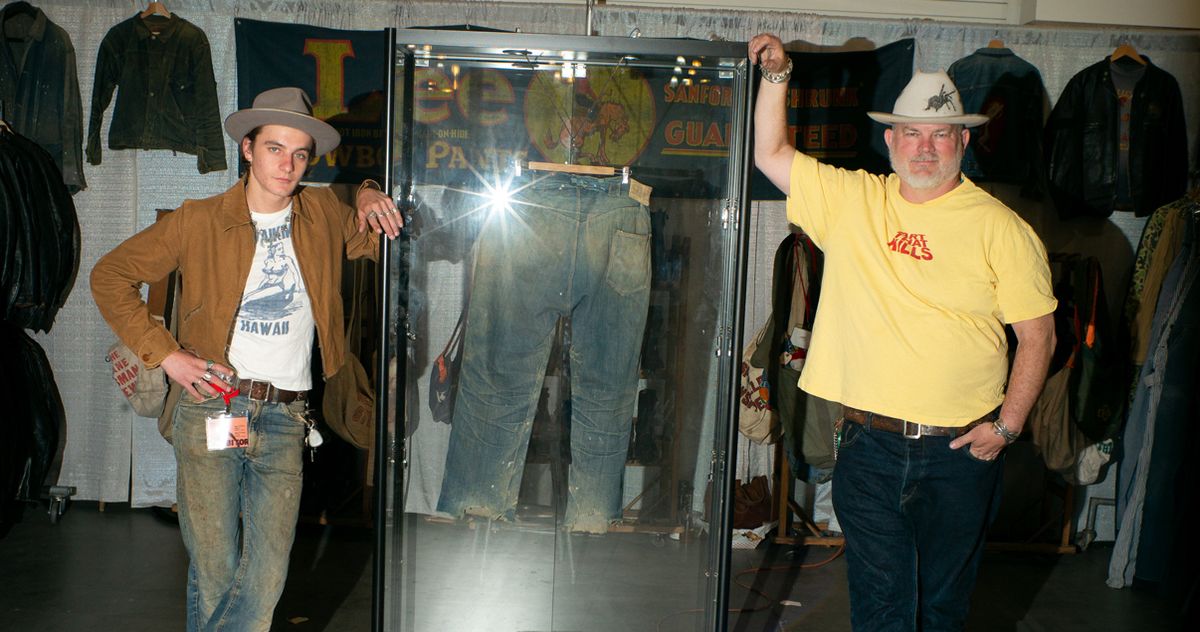
levis denim from the 1960s and 1970s
Identify high-value Levi’s by examining the red tab and back pocket stitching. Look for the "big E" tab on 501s produced before 1971, which commands premium prices. Authentic vintage pairs often feature single-stitch construction and a selvedge denim edge. Check for natural fading patterns rather than artificial distressing. These specific markers confirm age and authenticity, making them highly sought after by collectors willing to pay top dollar for well-preserved original wear. -

chanel suits and handbags from the 1980s
Chanel’s 1980s output features bold shoulders and intricate tweed work, with handbags often bearing the CC turn-lock closure. Verify authenticity through the serial sticker inside the bag, which should match the authenticity card. Look for high-quality leather trim and precise stitching on jackets. The gold-tone hardware is distinctively heavy and engraved. These pieces retain value due to Karl Lagerfeld’s influential era, making them stable investments for resellers who can verify provenance and condition accurately. -
gucci silk scarves and loafers
Gucci’s silk scarves from the mid-century often feature the iconic horsebit or bamboo handle designs. For loafers, look for the green-red-green web stripe and the horsebit detail. Authentic pieces will have precise stitching and high-quality leather soles. Scarves should display vibrant, clear prints without fading. These items are recognizable status symbols. Resellers should focus on pristine condition, as even minor stains significantly reduce the resale value of these luxury accessories in the current market. -
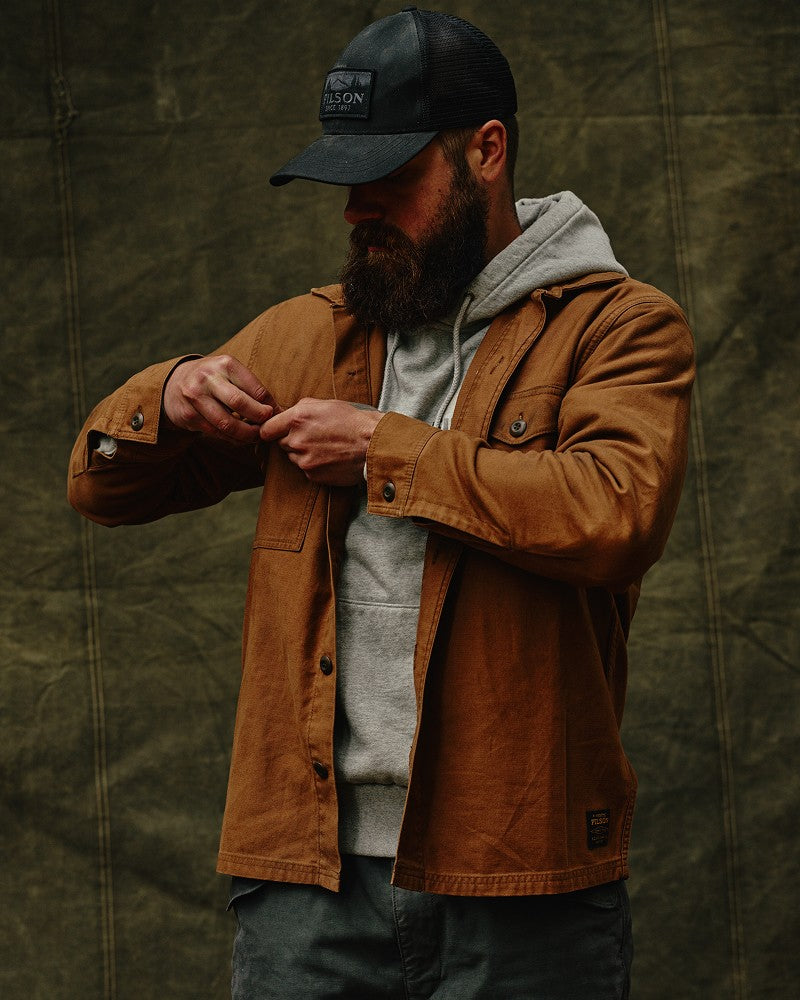
filson outerwear and wool shirts
Filson products are built for durability, featuring waxed canvas jackets and heavy wool shirts. Look for the "Crankshaft" logo and brass zippers on outerwear. Authentic wool shirts will have a substantial weight and reinforced stitching at stress points. The brand’s reputation for longevity means these items often survive decades of hard use. Resellers should inspect for rust on hardware and ensure the wax coating is intact, as these factors heavily influence the final selling price. -
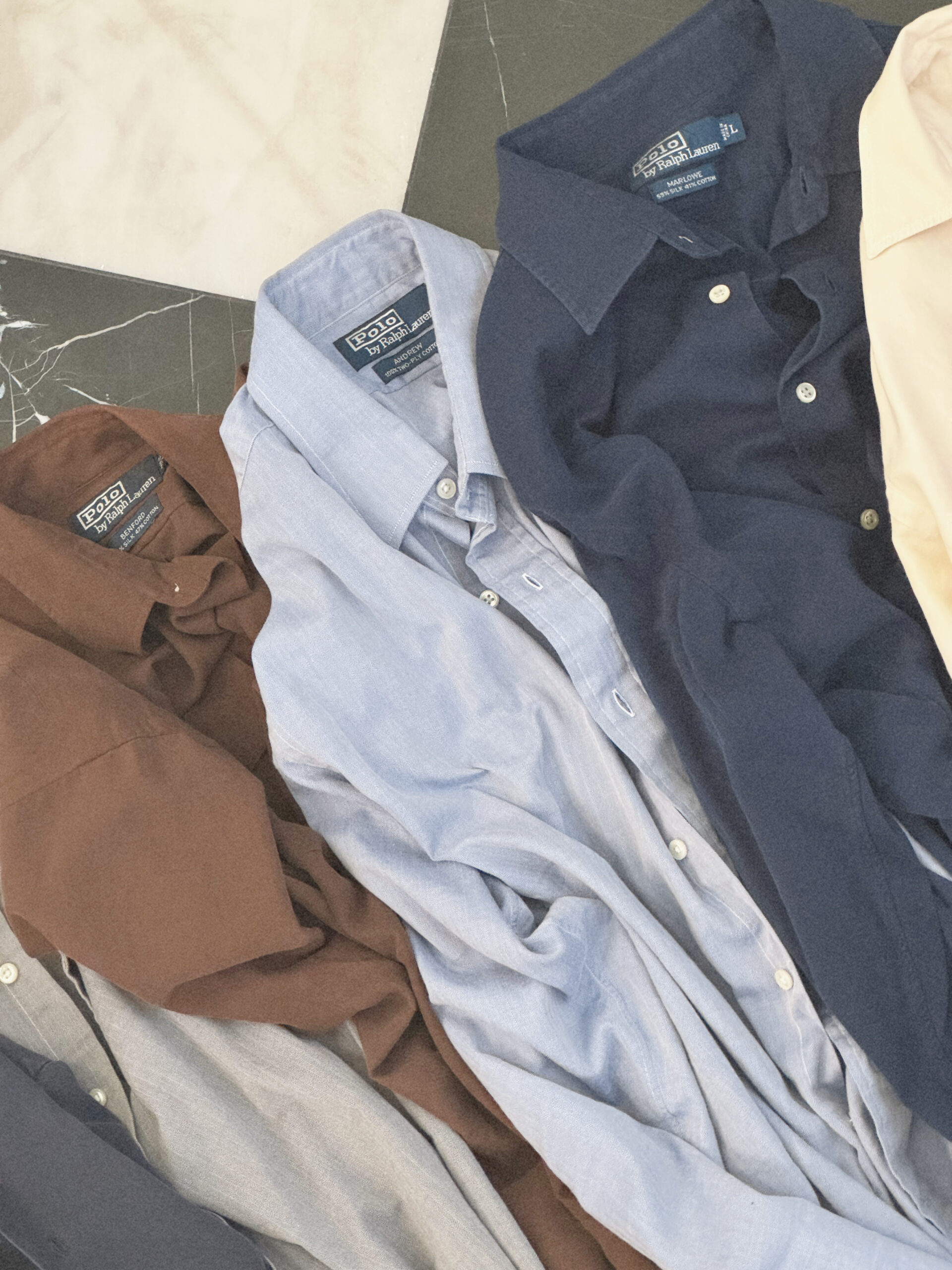
ralph lauren polo shirts from the 1990s
1990s Polo Ralph Lauren shirts are characterized by the embroidered pony logo, which was larger and more detailed than modern versions. Look for the "Polo Ralph Lauren" text above the logo on the chest. Check for the tag style, which changed over the decade. These shirts often feature rich colors and high-quality cotton pique. Resellers should wash them gently to preserve the fabric integrity. The nostalgia factor drives demand, making well-preserved examples from this era particularly valuable to vintage fashion enthusiasts.
Spot high-value vintage clothing brands
Identifying vintage clothing brands worth money requires looking past the label alone. Age does not automatically equal value; a 1970s mass-produced t-shirt is worth far less than a 1950s designer piece in excellent condition. The most profitable vintage items share specific traits: strong brand heritage, distinctive design elements, and verified authenticity. Resellers focus on brands with a documented history of craftsmanship and collector demand.
Five brands consistently yield high resale margins on platforms like eBay, Depop, and Vestiaire Collective. These labels maintain secondary market strength because their logos, cuts, and materials remain recognizable and desirable decades later.
Hermès
Hermès is the apex of luxury vintage. While their leather goods dominate the resale market, their ready-to-wear pieces, scarves, and silk accessories hold significant value. Authenticity is paramount here; look for precise stitching, high-quality hardware, and original dust bags or receipts when possible. Even minor flaws can drastically reduce the price, so condition is the primary driver of value.
Chanel
Chanel’s tweed jackets, quilted bags, and seasonal ready-to-wear collections are staples in vintage fashion. The brand’s consistent design language makes identification straightforward. Check the serial number sticker inside the garment and the authenticity card for bags. Items from the Karl Lagerfeld era (1983–2019) generally command higher prices due to their iconic status and widespread recognition.
Levi’s
Not all vintage denim is valuable, but specific Levi’s models are exceptions. Look for the red tab, single-stitch construction, and leather patches on jeans made before 1971. The 501, 505, and 517 models are particularly sought after. Faded, worn-in pairs with original hardware often sell for more than pristine, modern reproductions because they offer genuine period authenticity.
Gucci
Gucci’s vintage output from the 1970s to the 1990s features bold patterns, leather details, and the iconic interlocking G logo. The bamboo handle bags from the 1940s and 50s are legendary, but contemporary apparel also performs well. Verify the authenticity by checking the heat stamp, serial numbers, and fabric quality. Counterfeits are rampant, so purchasing from reputable sources or verifying tags is essential.
Christian Dior
Dior represents high fashion heritage. Vintage dresses, coats, and accessories from the mid-20th century are highly collectible. The brand’s influence on silhouettes like the New Look makes these pieces historically significant. Condition is critical; delicate fabrics like silk and lace require careful handling. Look for original labels and construction details that match the era’s craftsmanship standards.
Quick reference: five vintage brands to track
This table breaks down the five most consistently profitable vintage clothing brands. Use these columns to evaluate inventory at estate sales or thrift stores. Focus on the identification markers to avoid counterfeit or mislabeled items.
photograph and list items for resale
Listing vintage clothing requires a shift from casual sharing to professional documentation. Buyers cannot touch the fabric, so your photos must serve as the only point of contact between the garment and the buyer. This section outlines the practical steps to prepare your inventory for platforms like eBay, ensuring you capture the details that drive sales and justify premium pricing.
prepare the garment
Start with a clean, lint-free surface. Lay the item flat on a neutral background or use a high-quality mannequin for structured pieces like blazers or coats. Avoid hangers for most items, as they distort the silhouette and obscure the shoulders. If the item has wrinkles, steam it lightly; ironing can sometimes leave shiny marks on vintage fabrics, so steam is safer.
capture the full view
Take a straight-on photo of the front and back. Ensure the lighting is bright and even to reveal the true color. Vintage dyes can fade or shift, so natural daylight is preferable to indoor bulbs, which often cast a yellow or blue tint. Stand at eye level with the garment to avoid perspective distortion that makes the item look shorter or longer than it is.
highlight the label and tags
This is the most critical step for authentication. Zoom in on the brand label, size tag, and any care tags. For luxury vintage brands like Gucci or Chanel, include a close-up of the logo and any unique hardware details. If the item is from a specific era, such as 1970s Levi’s, show the red tab or button engraving. These micro-details are what buyers search for to verify authenticity and era.
document condition flaws
Transparency builds trust and reduces returns. Take close-up photos of any flaws: stains, holes, missing buttons, or fading. Even if the flaw is minor, document it. A photo of a small stain near the hem is worth a thousand words in a description. This protects you from disputes and helps buyers make informed decisions.
write a precise description
Your description should be factual and concise. Include the brand, size, material, and era if known. Mention any flaws explicitly. Use keywords that buyers search for, such as "vintage 90s denim jacket" or "authentic Chanel silk scarf." Avoid subjective terms like "beautiful" or "gorgeous"; instead, describe the condition and fit. A well-written description complements your photos and improves search visibility.
common questions about vintage resale
Reselling vintage clothing requires precise identification to maximize profit. Collectors look for specific markers that distinguish high-value items from common thrift store finds. Understanding these details helps you price accurately and attract serious buyers.
what makes a vintage brand valuable?
Value comes from rarity, brand heritage, and condition. Luxury labels like Hermès, Gucci, and Christian Dior command higher prices due to their investment status. Even non-luxury brands like Levi’s gain value if they are rare cuts or made in specific eras with quality materials.
how do i identify authentic luxury vintage?
Check the label, stitching, and hardware. Authentic pieces often feature precise stitching, high-quality fabrics like silk or wool, and branded hardware. Look for specific tags, such as the "Made in Italy" or "Made in France" labels on designer pieces. Counterfeits often have sloppy stitching or incorrect font styles on tags.
what are the most sought-after vintage items?
Certain categories consistently sell for high prices. Iconic band t-shirts, high-end designer dresses, and classic denim jackets are top performers. Birkin and Kelly bags from Hermès are also extremely valuable due to their extreme rarity and luxury heritage.
Work through The Thrift Flipper’s
No comments yet. Be the first to share your thoughts!