25 brands to watch at the thrift store
Thrifting for profit is a gamble unless you know which tags to hunt. Based on sales data from late 2025, these 25 brands are holding their value well. I've spent years digging through racks, and while condition is the main factor, the brand name on the collar determines the ceiling price.
We’ll start with brands that are relatively accessible – meaning you’re more likely to find them – and move towards the higher-end, designer pieces. Don’t dismiss anything at first glance! Sometimes the most valuable finds are hidden under a pile of polyester. Prices are based on what I’m seeing trending now (late 2025/early 2026), but the market can change quickly.
Pre-1980s Levi’s 501s with a red tab are the standard. Look for selvedge denim—the finished edge on the inside of the leg. These fetch $150 if the wash is right. Early Lee Riders with unique back pocket stitching are also moving quickly. For wool, Pendleton shirts and blankets are reliable sellers, usually moving for $40 to $120 depending on the pattern.
Moving on, Ralph Lauren (especially the Polo Ralph Lauren line from the 80s and 90s) is a solid bet. The bolder, the better. Expect to find polos for $20-$50, and jackets for $60-$150. Eddie Bauer from the 70s and 80s is also gaining traction, especially their down-filled jackets and outdoor wear. Look for the older labels. They often go for $50-$100. LL Bean is similar – durable, classic pieces that hold their value.
Now we're getting into some brands that require a bit more knowledge. Stussy from the 80s/90s is huge with streetwear collectors, but fakes are common. Be very careful with authentication. A genuine Stussy tee can easily sell for $80-$200+. Tommy Hilfiger – especially the flag logo pieces from the 90s – remains popular. Prices are comparable to Ralph Lauren. Guess? from the 80s and 90s, known for its denim and bold designs, can fetch $40-$100 for jackets and jeans.
Let's talk about some brands that Blue Collar Red Lipstick highlights as favorites for vintage shopping. Escada is one to watch – their 80s and 90s designs are colorful and luxurious. Versace (especially the Gianni Versace era) is a designer dream, but expect to pay a premium even at the thrift store. Moschino is another playful, eye-catching brand that’s gaining popularity. Betsey Johnson is known for its whimsical, girly aesthetic. Pieces can range from $30-$150 depending on the item.
Now for the higher-end stuff. Chanel (obviously) is always valuable, but authentication is critical. Look for the classic quilted bags and tweed jackets. Hermès scarves and accessories are also highly sought after. Gucci from the 70s and 80s – particularly the Flora designs – are performing well. YSL (Yves Saint Laurent) – especially the Le Smoking tuxedo jackets – are collector’s items. Expect to spend some serious time researching these brands and learning to spot fakes. Dior is another classic, with vintage dresses and accessories commanding high prices.
Rounding out the list: Comme des Garçons, Vivienne Westwood, Jean Paul Gaultier, Missoni, Etro, Thakoon Addition, Anna Sui, Marni, Jil Sander, Issey Miyake, Paul Smith, Alexander McQueen (early pieces), and Martin Margiela (especially the early deconstructionist designs). These are all brands that are appreciated for their artistry and unique designs. A little knowledge about these designers will serve you well.
Finally, don’t overlook vintage band tees. Especially from the 70s, 80s, and early 90s. The rarer the band, the higher the price. These can easily sell for $50-$300+ depending on the band and condition.
How to spot fakes
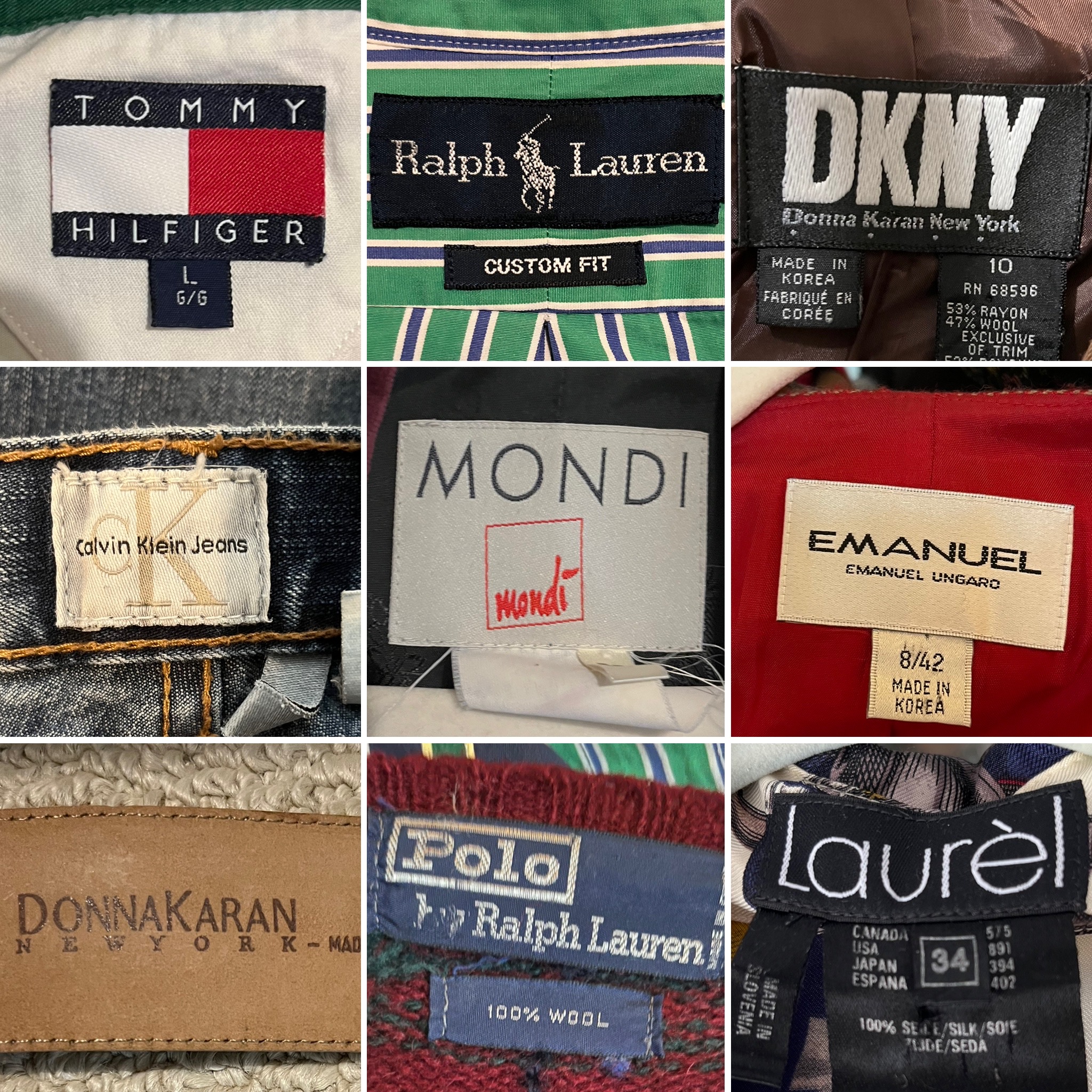
Okay, you’ve found a potential treasure. Now what? Authentication is everything. Reproductions are getting incredibly good, and sellers aren’t always honest. Start with the label. Examine the font, stitching, and material. Does it look consistent with known authentic labels? Underpriced AI notes that many fakes have sloppy stitching or incorrect fonts. Research the brand’s label history – labels changed over time.
Next, check the construction. Look at the zippers, seams, and linings. Vintage garments were often made with higher-quality materials and more attention to detail. Seams should be neat and even, and zippers should be sturdy. Pay attention to the fabric – is it what it’s supposed to be? For example, is a supposed silk scarf actually polyester?
Hardware is another giveaway. Buttons, buckles, and clasps should be well-made and securely attached. Look for hallmarks or brand markings. And finally, trust your gut. If something feels off, it probably is. When in doubt, consult an expert or a reputable authentication service. A little extra effort can save you a lot of money and disappointment.
Identifying the decade
Knowing the decades is crucial. The 1960s were all about mod style – A-line dresses, shift dresses, and bold colors. Zippers were often metal and visible. The 1970s saw a lot of bohemian influences – bell bottoms, maxi dresses, and earth tones. Fabrics like corduroy and suede were popular. The 1980s were bold and flashy – power suits, oversized sweaters, and neon colors. Shoulder pads were everywhere.
The 1990s brought grunge and minimalism – slip dresses, flannel shirts, and ripped jeans. Logos were prominent. The early 2000s were a mix of trends – low-rise jeans, crop tops, and velour tracksuits. Y2K fashion is experiencing a huge revival right now. Pay attention to the little details – the type of zipper used, the style of buttons, and the way a garment is constructed. These clues can help you pinpoint the decade and, therefore, the potential value.
Beyond Designer: Unexpected Gems
Don’t get fixated on designer names. Some of the most valuable vintage finds are from brands you’ve never heard of. The YouTube source I used highlighted brands like Sears Roebuck (vintage workwear and sportswear), Sportmaster (vintage ski wear), and Panhandle Slim (western wear). These brands were popular in specific subcultures and are now highly sought after by collectors.
Another area to explore is vintage military surplus. Authentic military jackets and uniforms can be surprisingly valuable. And don’t overlook vintage sportswear – tracksuits, windbreakers, and athletic tees from the 70s and 80s are gaining popularity. Remember, value isn’t always about a famous name; it’s about rarity, condition, and cultural significance.
Condition is King: Grading & Repair
Condition is paramount. A pristine vintage piece will always be worth more than a damaged one. Learn to assess the condition of garments carefully. Look for stains, holes, missing buttons, broken zippers, and fading. Minor flaws can be acceptable, but significant damage will lower the value. I'm not a seamstress, but a small stain might come out with a good cleaning.
Simple repairs – like replacing a button or mending a small seam – can increase the value. But don’t attempt repairs that are beyond your skill level. Sometimes it’s better to leave it to a professional. Professional cleaning and restoration can be expensive, but it can also significantly increase the resale value. Weigh the cost of repair against the potential profit.
Resale Platforms: Where to Sell
So, you've got a pile of vintage treasures. Now it's time to sell! Poshmark is great for everyday vintage and designer pieces. eBay is good for auctions and reaching a wider audience. Depop is popular with younger buyers and streetwear. Vestiaire Collective specializes in luxury resale and offers authentication services. Local consignment shops are also an option, but they typically take a larger commission.
Each platform has its pros and cons. Poshmark is easy to use but has higher fees. eBay requires more effort but can yield higher prices. Depop is trendy but attracts a specific demographic. Research each platform and choose the one that best suits your needs. There are tons of resources online to help you navigate each platform’s selling process.
Resale Platform Comparison: Finding the Best Home for Your Vintage Finds (2026)
| Platform | Fees | Target Audience | Ease of Use | Best For |
|---|---|---|---|---|
| Poshmark | Medium | Fashion-focused, generally younger demographics | Medium | Trendy vintage, everyday wear, shoes 👟 |
| eBay | Medium | Broad – from collectors to bargain hunters | Medium | Unique items, designer pieces, items with established collector bases 💎 |
| Depop | Medium | Gen Z & Millennials, streetwear & Y2K aesthetic | High | Streetwear, Y2K, indie & vintage styles 💖 |
| Vestiaire Collective | High | Luxury & designer resale, authenticated items | Medium | High-end designer vintage, luxury brands 👜 |
| Mercari | Low | General consumer base, local & shipping options | High | Affordable vintage, quick sales, accessible to beginners 💰 |
| Etsy | Low | Buyers seeking handmade, vintage, and unique items | Medium | Truly vintage, unique pieces, items with a story 🧵 |
Illustrative comparison based on the article research brief. Verify current pricing, limits, and product details in the official docs before relying on it.
No comments yet. Be the first to share your thoughts!