Why vintage designer labels hold value
Vintage clothing brands worth money today are defined by three economic pillars: heritage, material quality, and scarcity. When evaluating resale potential, it helps to distinguish between eras. "Vintage" typically refers to garments at least 20 years old, while "antique" pieces exceed a century. This distinction matters because mid-20th-century luxury brands established the construction standards that still command premium prices.
Brand heritage acts as a baseline for value. Labels like Christian Dior, Yves Saint Laurent, and Gucci have decades of documented history that collectors trust. Specific lines, such as YSL’s Rive Gauche from the 1970s through the 1990s, remain highly sought after because they represent a distinct period of design innovation. These pieces are not just clothing; they are artifacts of fashion history with proven market demand.
Material quality and scarcity drive the actual price. Designer garments from these eras were often constructed with natural fibers like silk, wool, and fine cotton, using techniques that are rarely used in modern fast fashion. The combination of durable materials and limited production runs means that fewer pieces survive in good condition. This scarcity creates a competitive market where collectors pay a premium for authentic, well-preserved items.
Understanding these drivers allows you to look past the label and assess the actual value of a garment. Heritage provides the initial interest, but it is the combination of rare materials and brand-specific design history that sustains long-term resale value.
Luxury houses with consistent resale demand
The secondary market for vintage clothing brands worth money is anchored by a handful of heritage luxury houses. These brands possess the brand equity and historical significance required to maintain high resale values decades after production. Unlike fast fashion or fleeting trends, items from these houses function as durable assets, retaining liquidity across various economic cycles.
Chanel remains the apex of this category. Its classic tweed jackets and flap bags are not merely clothing; they are institutional standards in the resale economy. The brand’s strict control over production and continuous price increases on new inventory create a widening gap that benefits vintage owners. A well-preserved Chanel piece from the 1980s or 1990s often appreciates, driven by the scarcity of authentic, intact garments.
Yves Saint Laurent (YSL) commands a similar tier of respect, particularly for its Rive Gauche line. The 1970s and 1980s silhouettes—specifically tuxedo jackets, silk blouses, and structured dresses—are highly collectible. The brand’s influence on modern tailoring ensures that its vintage pieces remain relevant in contemporary styling, driving consistent demand from both collectors and everyday wearers.
Gucci offers a different but equally robust value proposition. While its accessories often lead the market, its vintage clothing from the 1990s, characterized by bold prints, leather goods, and distinctive hardware, has seen a resurgence. The brand’s ability to cycle through design eras keeps its archive fresh, making specific vintage clothing brands worth money to those who understand the nuances of its historical output.
| Brand | Key Eras | High-Value Items | Condition Sensitivity |
|---|---|---|---|
| Chanel | 1980s–1990s | Tweed jackets, flap bags | High |
| Yves Saint Laurent | 1970s–1980s | Rive Gauche blazers, silk blouses | Medium-High |
| Gucci | 1990s | Printed shirts, leather jackets | Medium |
Heritage workwear and Americana staples
Brands built for labor have become the backbone of the vintage resale market. Unlike fast fashion, heritage workwear was engineered to survive decades of abuse, making original pieces from the mid-20th century highly desirable to collectors and everyday wearers alike. This durability creates a reliable secondary market where vintage clothing brands worth money are often defined by their ability to withstand time.
Levi’s remains the most recognizable name in this space, particularly 501 jeans and chore coats produced before the 1980s. The specific stitching, button fly, and red tab details from these eras command premium prices because they represent the original construction standards before mass-production shortcuts. Similarly, Carhartt’s double-front work pants and duck canvas chore coats from the 1970s through 1990s are staples for buyers seeking authentic Americana. These pieces are valued not just for the brand, but for the heavy-weight fabrics that have softened into a unique, personal fit over time.
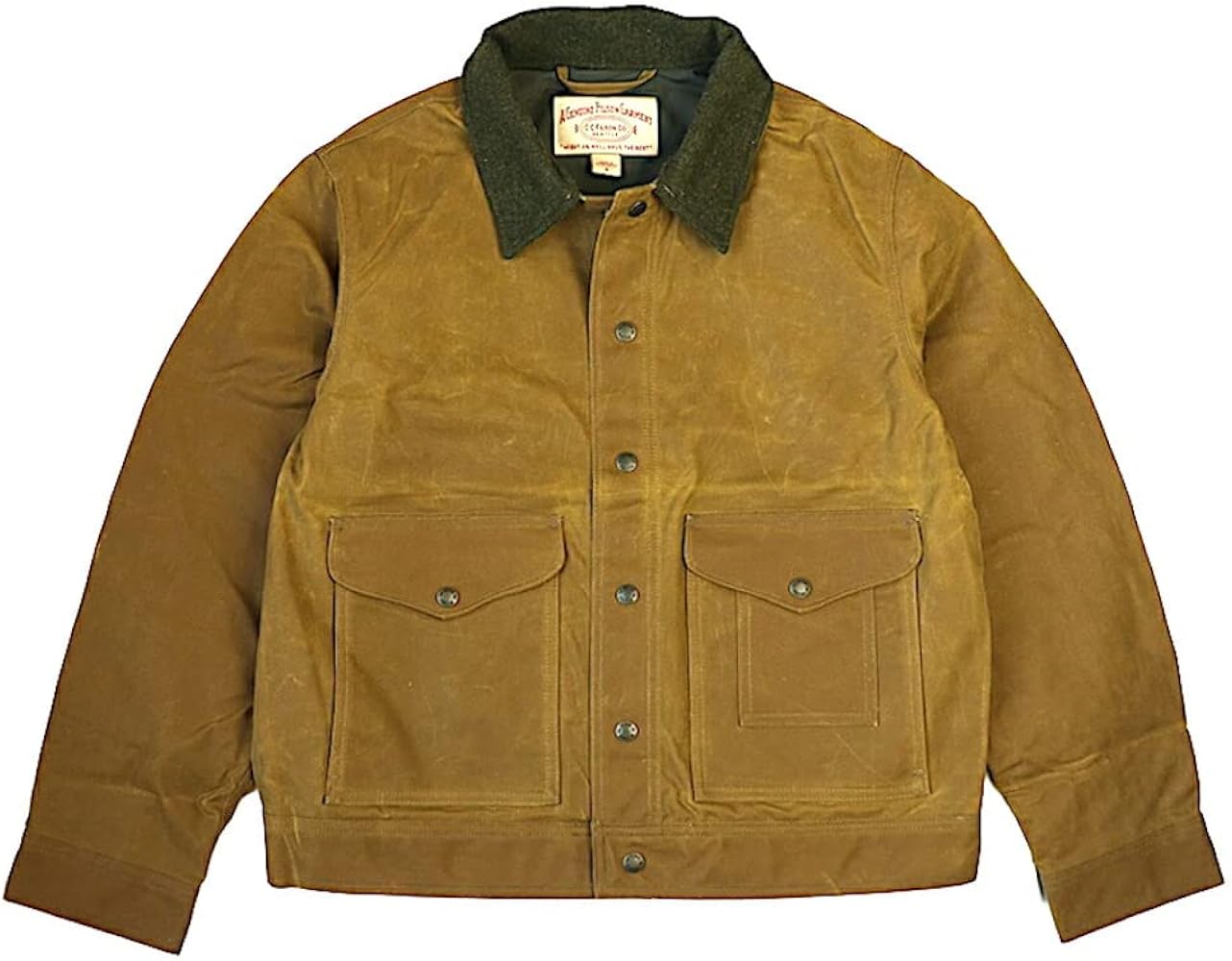
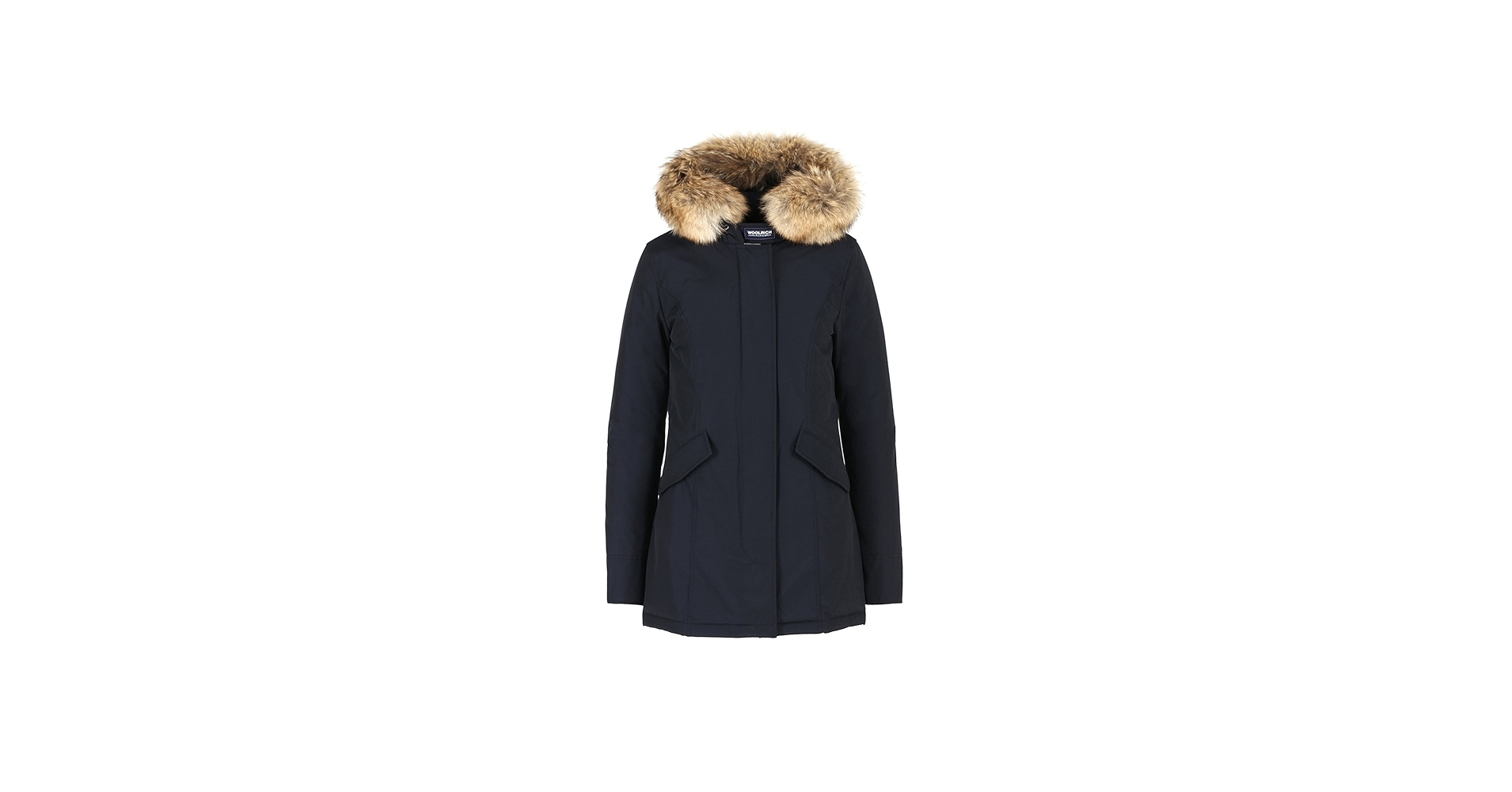
Filson and Woolrich round out the top tier for outdoor-oriented workwear. Filson’s tin cloth jackets and wool blankets are iconic for their ruggedness, while Woolrich’s Arctic Parkas and plaid shirts appeal to those looking for vintage layering pieces. The resale value here is driven by material integrity; buyers pay for garments that still possess the structural soundness of their original intent.
The market for these items is broad and active. Whether you are looking for a faded Levi’s trucker jacket or a pristine Filson Mackinaw coat, the key is verifying the era of production. Authentic vintage pieces from these heritage brands consistently hold their value, making them safe bets for anyone entering the resale market.


As an Amazon Associate, we may earn from qualifying purchases.
Spotting authentic tags and construction details
Verifying vintage clothing brands worth money requires looking past the brand name to the physical evidence of origin. Tags and construction details are the fingerprints of an item’s history. They reveal whether a piece is a genuine vintage find or a modern reproduction. For flippers, this distinction determines profit margins.
Check the tag content and material
Authentic vintage tags often use materials and printing techniques that are no longer standard. Look for "Made in USA" or "Made in Japan" labels, which often indicate higher quality control during specific eras. The fabric composition tag is equally critical. Items made from 100% natural fibers like wool, cotton, or silk generally hold value better than synthetic blends. Brands like Filson and Pendleton are prized because their tags explicitly list durable, natural materials.
Examine stitching and seams
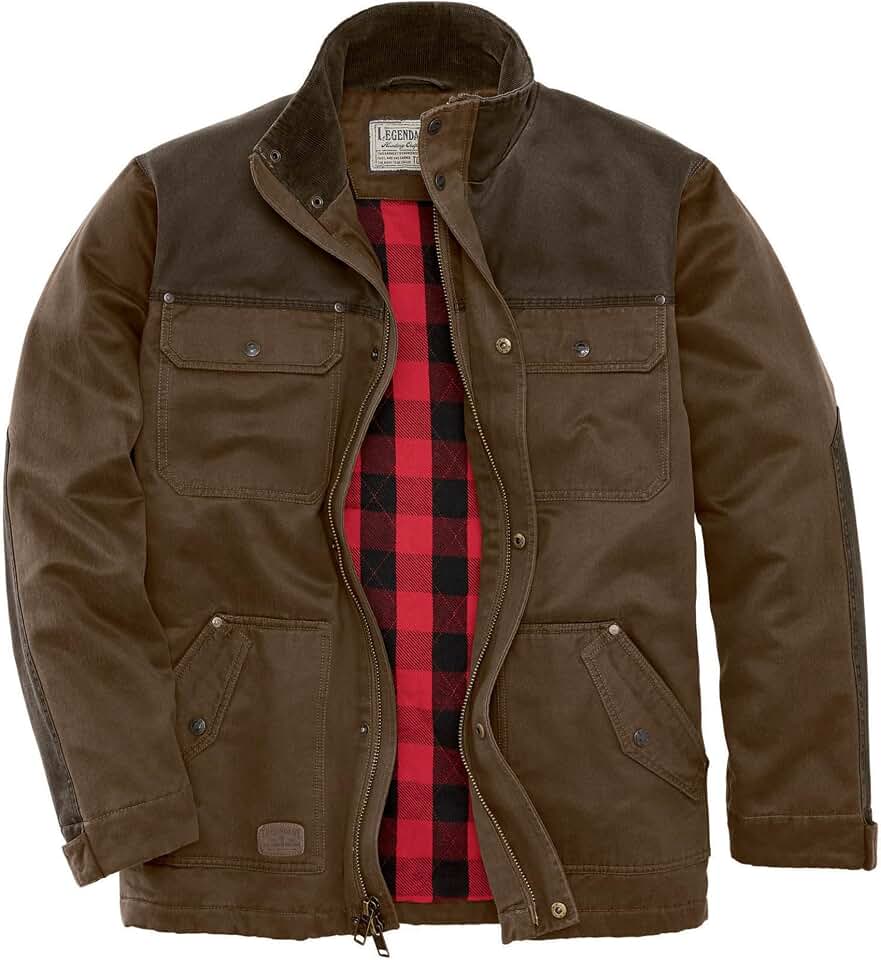
Construction quality is a reliable indicator of longevity and value. Inspect the seams for straight, tight stitching. Loose threads, skipped stitches, or uneven hems suggest mass-produced, lower-quality items. Look for reinforced stress points, such as double-stitched pockets or bar-tacked seams. Vintage workwear brands like Carhartt and Dickies are built for durability, so their stitching should be robust and functional, not decorative.
Verify the label style and font
The design of the brand label can help date a garment. Older tags often feature serif fonts, woven labels, or specific color schemes that changed over time. For example, Levi’s tags have evolved significantly, with specific details like the red tab or the "batwing" back pocket design helping to pinpoint the era. If a tag looks too crisp, uses modern digital printing, or has a font that doesn’t match the brand’s historical style, it may be a reproduction.
Look for wear and patina
Authentic vintage items show signs of age. Look for natural fading, softening of fabric, and slight wear on high-friction areas. This patina adds character and confirms the item’s age. However, distinguish between natural wear and damage. Holes, stains, or excessive thinning reduce value. A well-preserved piece with minor, natural aging is ideal for flipping.

Check the brand label for material, printing style, and country of origin. Look for "Made in USA" or "Made in Japan" for higher value.
Verify the fabric content. Natural fibers like wool, cotton, and silk are more desirable than synthetic blends.

Look for straight, tight stitching and reinforced stress points. Avoid items with loose threads or uneven hems.

Check for natural fading and softening. Distinguish between desirable patina and damaging stains or holes.


As an Amazon Associate, we may earn from qualifying purchases.
Where to source and list vintage clothing brands worth money
Finding vintage clothing brands worth money starts with knowing where to look and where to sell. The sourcing strategy determines your margin, while the listing platform determines your reach. Thrift stores and estate sales offer the lowest acquisition costs but require significant time investment. Online marketplaces like eBay and Poshmark provide access to a global buyer base, ensuring that rare pieces find their highest bidder.
When sourcing, focus on specific brands known for high resale value, such as Levi’s, Ralph Lauren, and Nike. These items hold their value better than generic vintage pieces. Estate sales often yield bulk lots of branded clothing, allowing you to acquire multiple high-value items at a fraction of their market price. This approach minimizes risk and maximizes potential profit per hour spent.
For listing, choose platforms based on the item’s price point and condition. High-end designer pieces often sell best on eBay due to its auction format and buyer trust. Mid-range vintage brands perform well on Poshmark, where social selling features drive engagement. Use the AmazonProductGrid below to see current market interest for popular vintage brands. This real-time data helps you gauge demand before committing to a listing strategy.


As an Amazon Associate, we may earn from qualifying purchases.
Sourcing and listing vintage clothing brands worth money requires a balance of patience and market awareness. By focusing on reputable brands and using the right platforms, you can turn a simple thrift store find into a significant profit. Always verify authenticity and condition before purchasing or listing to maintain your reputation and maximize returns.
Common questions about vintage resale value
What condition grade affects vintage clothing resale value the most?
Condition is the single biggest multiplier for vintage clothing brands worth money. Collectors prioritize "deadstock" (never worn) or "excellent" condition items, which command premium prices. For example, a pristine 1990s Versace silk shirt sells significantly higher than one with yellowed underarms or missing buttons. Minor flaws like small holes or faded prints can drop the resale value by 50% or more, so always inspect seams and fabric integrity before buying.
Which era defines the most valuable vintage clothing brands?
The 1970s through 1990s represent the golden era for high-value vintage pieces. Designer labels like Yves Saint Laurent (YSL), Gucci, and Balenciaga from this period are highly collectible, especially their Rive Gauche lines. Workwear brands like Filson and Carhartt from the same era are also sought after for their durable natural materials. Items from the 1950s and 1960s are valuable but rarer and often require specialized preservation, making the 70s-90s the sweet spot for active resale.
How do platform fees impact the net value of vintage clothing?
Selling vintage clothing involves platform fees that can eat into your profits, typically ranging from 10% to 15% depending on the marketplace. eBay, Depop, and Poshmark each have different structures, so factor these costs into your pricing strategy. For high-value items like a Christian Dior dress, the absolute fee is higher, but the percentage remains similar. Always calculate your net profit after fees and shipping to ensure the vintage clothing brands worth money actually yield a return.
No comments yet. Be the first to share your thoughts!