Start your thrift store flipping for profit journey
Thrift store flipping for profit is the practice of buying low-cost items from charity shops and reselling them at a markup. It is a straightforward arbitrage model: you identify undervalued goods, clean or repair them if needed, and sell them to collectors or bargain hunters. Because thrift stores receive inventory through donations, their prices are fixed at rock bottom, allowing for significant margins even on modest sales.
The barrier to entry is low, but the income potential is real. Flippers can make up to six figures yearly by treating it as a serious side hustle rather than a casual weekend activity. Profit margins on thrift store items can reach 500% because you are buying pennies on the dollar. This means a $5 vase can sell for $25 or more if you know where to look.
However, this is not passive income. It requires consistent effort, a good eye for quality, and an understanding of market demand. You will spend time sifting through racks, researching prices, and managing listings. Think of it as a treasure hunt with a spreadsheet attached. Success comes from volume and speed—finding the right item quickly and listing it before the competition does.
Start by learning what sells. Focus on brands, materials, or eras that have active resale markets. Common winners include vintage clothing, name-brand home goods, and collectible toys. Use online marketplaces to check sold listings and verify current demand before you buy.
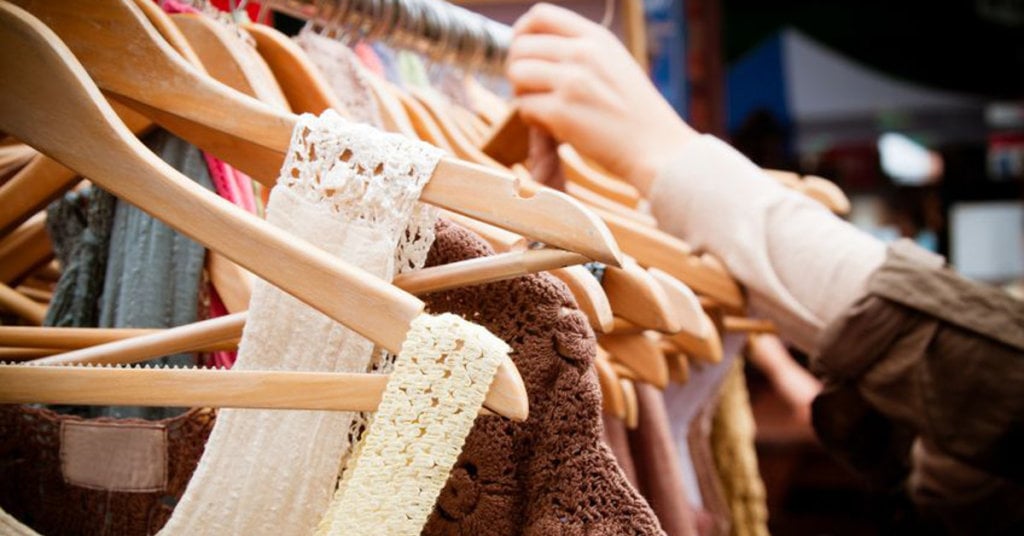
Visit multiple thrift stores regularly. The best finds often appear early in the week when new donations are stocked. Be prepared to dig through bins and racks. Look for quality materials like solid wood, brass, or natural fibers, and check for any damage that might lower the resale value.
Once you have an item, clean it thoroughly. Take clear, well-lit photos from multiple angles. Write a detailed description that includes brand, size, material, and any flaws. List the item on platforms like eBay, Poshmark, or Facebook Marketplace where your target buyers are already searching.
Scan shelves for high-value clothing brands
Thrift store flipping for profit relies on spotting brands that hold their value long after they leave the store. You aren’t looking for trendy fast fashion; you are hunting for heritage labels, vintage workwear, and technical outerwear that buyers actively search for on resale platforms.
Start with the fabric tags. Look for materials like 100% cotton, wool, or technical blends from brands like Patagonia, Levi’s, or Carhartt. These items often sell for five times their thrift price because they are durable and timeless. A quick check of eBay sold listings can confirm if a specific vintage tee or jacket is in demand before you buy it.
Don’t ignore the condition. A small stain or missing button can kill your profit margin. Inspect seams, zippers, and armpits for wear. If the item is pristine, you have a strong candidate for a high-margin flip. If it needs minor repairs, factor those costs into your initial offer.
Verify item condition and authenticity
Before you add an item to your cart, you need to be certain it’s a good buy. In thrift store flipping for profit, buying a damaged or fake item eats directly into your profit margin. A quick, thorough inspection prevents you from wasting money on goods that are unsellable or too costly to repair.
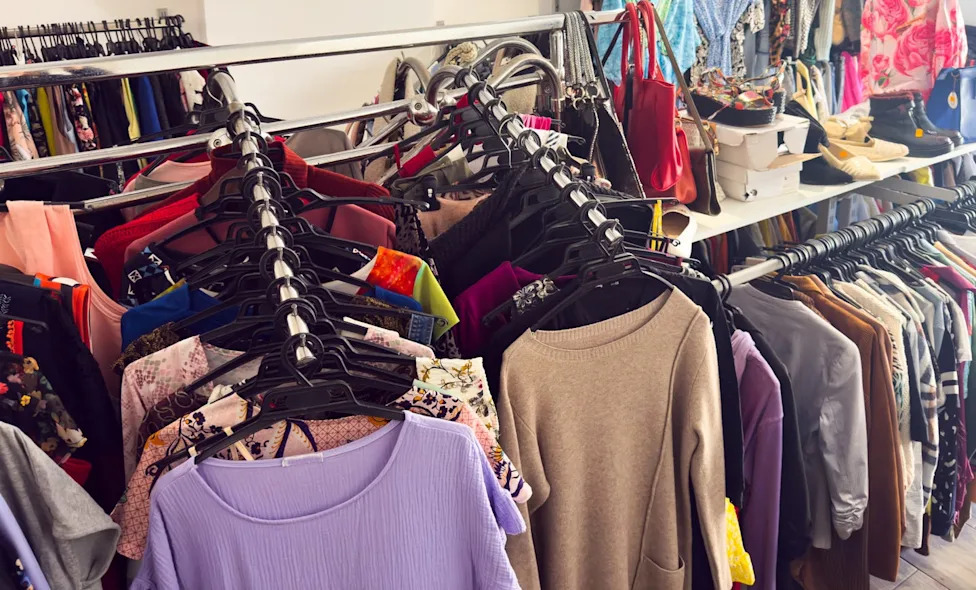
Start with the high-wear areas. Check underarms, collars, and cuffs for yellowing or stains that won’t wash out. Run your fingers along the hem and seams to find tiny tears or loose threads. For electronics, check for cracked screens, bent ports, or missing screws. If the damage is minor, calculate the cost of repair against your potential profit before moving on.
Look beyond surface flaws. For furniture, wiggle legs and open drawers to ensure joints aren’t loose. For clothing, check zippers and buttons to make sure they function smoothly. In thrift store flipping for profit, structural repairs often cost more than the item is worth. If a piece feels unstable or requires significant labor to fix, put it back.
Counterfeits are common in thrift stores. Learn to spot fake logos, poor stitching, and low-quality materials on branded goods. Check for serial numbers, holograms, or specific hardware details that match the brand’s official standards. If you’re unsure about a high-value item, do a quick online search for authentication guides or consult a specialist before purchasing.
Ensure all parts are present and working. For vintage cameras, check if the shutter fires. For board games, verify all pieces are included. Missing components can drastically reduce an item’s resale value. In thrift store flipping for profit, completeness is key to maximizing your return on investment.
Research sold prices before buying
Before you hand over cash at the thrift store, you need to know what buyers are actually paying. Listing an item at the full retail price is a common mistake; you need to see the historical sold data to calculate your potential profit margin accurately. This step is the backbone of successful thrift store flipping for profit, turning a hunch into a calculated business decision.
1. Check eBay Sold Listings
Open the eBay app on your phone and search for the specific item. Do not look at the "For Sale" listings, which show asking prices that may never be met. Instead, toggle the filter to "Sold Items" and "Completed Items." This reveals the actual transaction prices. Look for the average of the last 10-20 sales to get a realistic market value, accounting for condition differences.
2. Cross-Reference with Mercari and Poshmark
Different platforms attract different buyers. An item that sells well on eBay might sit on Mercari. Check Mercari and Poshmark for comparable sold listings, especially for clothing, home decor, and niche collectibles. If an item has high demand on one platform but low visibility on another, you may have found an arbitrage opportunity.
3. Calculate Your Profit Margin
Subtract all costs from the average sold price to determine your true profit. Include the thrift store purchase price, shipping materials, platform fees (typically 10-15%), and payment processing fees. If the margin is less than 30-50% of the resale price, the item may not be worth the time and effort. Only buy if the numbers clearly support a healthy profit.
Open the eBay app, search for the item, and filter by "Sold Items" to see actual transaction prices. Ignore asking prices.
Check Mercari, Poshmark, or Facebook Marketplace for sold items. Compare prices across platforms to find the best market.
Subtract purchase price, shipping, and platform fees from the sold price. Aim for at least a 30-50% profit margin before buying.
Photograph items for online listings
Clear photos are the difference between a quick sale and an item gathering dust. When you are flipping thrift store finds, your photos must do the heavy lifting that a physical inspection would normally provide. Buyers need to see exactly what they are getting, including any flaws, to trust the listing and complete the purchase.
Start by choosing a clean, neutral background. A white sheet, a plain wall, or a simple table surface works best. Avoid busy backgrounds that distract from the item. Natural light is your best tool. Position your item near a large window during the day, but keep it out of direct sunlight to prevent harsh shadows or blown-out highlights. If you must shoot indoors, use a ring light or a softbox to mimic natural daylight.
Take multiple angles to give a complete view. For clothing, lay the item flat or hang it on a mannequin. For furniture or decor, photograph the front, sides, back, and top. Always include a close-up of any unique details, textures, or logos. If there are stains, scratches, or missing buttons, photograph them clearly. Transparency builds trust and reduces return rates.
Finally, ensure your images are sharp and well-focused. Wipe your camera lens before shooting. Use the highest resolution setting available on your phone or camera. Most online marketplaces allow you to upload up to ten photos per listing. Use every slot to showcase the item from every necessary perspective. Good photography is a small effort that significantly boosts your success in thrift store flipping for profit.
List and ship items efficiently
Once you have sourced your inventory, the final stage of thrift store flipping for profit is getting the item to the buyer in perfect condition. This phase is where margins are protected. A damaged package means a refund, and a poorly listed item means no sale at all. Treat listing and packing as a standardized workflow rather than an afterthought.
Photograph the item in natural light
Before you write a single word of the description, photograph the item. Use natural daylight near a window to avoid color distortion. Capture the front, back, sides, and any unique details like brand labels or patterns. Crucially, photograph any flaws, scratches, or stains. Transparency builds trust and reduces return rates. Clean the item first; a dusty shirt or smudged glass looks discounted, not vintage.
Write clear, keyword-rich descriptions
Your listing title and description should be practical and searchable. Include the brand, size, material, and condition. For thrift store flipping for profit, specificity matters more than creative writing. Buyers search for "Levi's 501 size 32" not just "old jeans." Mention the condition honestly. If there is a small stain, note it. This prevents the "item not as described" disputes that hurt your seller metrics.
Measure and pack securely
When the item sells, measure it again if possible, especially for clothing or furniture. Use a poly mailer for soft goods like clothes and bags to save on shipping weight. For rigid items like mugs or frames, use ample bubble wrap and sturdy boxes. Fill empty spaces with packing paper so the item cannot shift during transit. Tape the box securely on all seams. A secure package is the last line of defense for your profit margin.
Photograph the item in natural light. Capture all angles and any flaws. Clean the item first to ensure it looks its best.
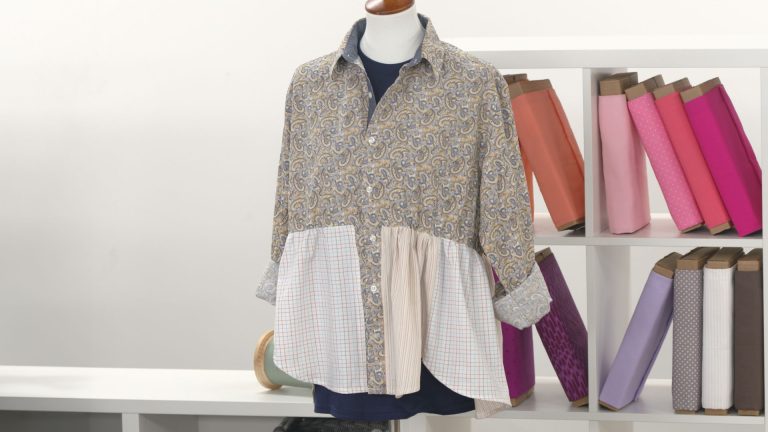
List the brand, size, material, and condition. Be honest about flaws to avoid returns. Use specific keywords buyers search for.
Use appropriate materials like poly mailers for clothes or boxes for rigid items. Fill empty space to prevent shifting during transit.
Purchase shipping labels with tracking. Print and attach the label securely. Upload the tracking number to the platform immediately.
Finalize the listing and ship
Upload your photos and description to your chosen platform, such as eBay or Poshmark. Set a competitive price based on recent sold listings. Once the item sells, print the shipping label, pack the item securely, and drop it off at the carrier. Always upload the tracking number to the platform immediately. This keeps the buyer informed and protects you if the package is lost.
Common thrift store flipping mistakes
Avoiding these pitfalls protects your margins and keeps your inventory moving. New flippers often lose money before they even list an item because they overlook hidden costs or inspect items too loosely.
Overpaying for inventory
Set a strict maximum bid or price limit for every category before you enter the store. If an item doesn’t sell for at least 3x its purchase price, pass. Impulse buying erodes profit fast.
Ignoring hidden fees
Shipping costs, platform fees, and packaging materials eat into your net profit. Calculate these expenses upfront. A $10 shirt might only yield $2 after eBay fees and a $5 shipping label.
Accepting damaged goods
Inspect every item for stains, tears, missing buttons, or broken zippers. Minor flaws can make an item unsellable. If you buy damaged goods, you’re left with a loss instead of a profit.
How much do thrift flippers make?
Thrift store flipping for profit offers a wide range of income potential depending on your volume, niche expertise, and sales channels. There is no fixed salary; earnings are directly tied to how efficiently you source, restore, and list items.
Beginners typically earn between $500 and $2,000 per month. At this stage, you are learning to identify valuable brands, understanding shipping costs, and building a baseline inventory. Many start by flipping just a few items a week to test the waters without significant upfront risk.
Experienced flippers can scale this to $2,000–$5,000 monthly or more. Some dedicated sellers report six-figure annual incomes by treating it as a full-time business. They often leverage higher-margin categories like vintage clothing, designer home goods, or rare electronics, and may use bulk sourcing or professional restoration to increase their average sale price.
Profit margins on thrifted items can reach 500% or more because the initial acquisition cost is low. However, remember to subtract platform fees, shipping supplies, and your time to calculate your true hourly wage. The key is consistency and refining your eye for undervalued items.
No comments yet. Be the first to share your thoughts!