Scan Tags for Designer and Luxury Labels
Finding vintage clothing brands worth money starts with a close look at the tags. Most thrift store shoppers walk past the racks, but you need to stop and inspect the labels for designer names and luxury house markings. These tags are your primary indicator of potential profit, separating a $5 blouse from a $500 investment.
Focus on the "Big Three" of high-value vintage: Chanel, Yves Saint Laurent (YSL), and Dior. A Chanel tweed jacket or YSL blazer from the 1970s through 1990s often commands premium prices on resale platforms. Specifically, look for the "Rive Gauche" line from YSL, which is particularly collectible among fashion historians and collectors. Christian Dior and Balenciaga pieces also consistently rank among the most valuable vintage garments, especially when the condition is pristine.
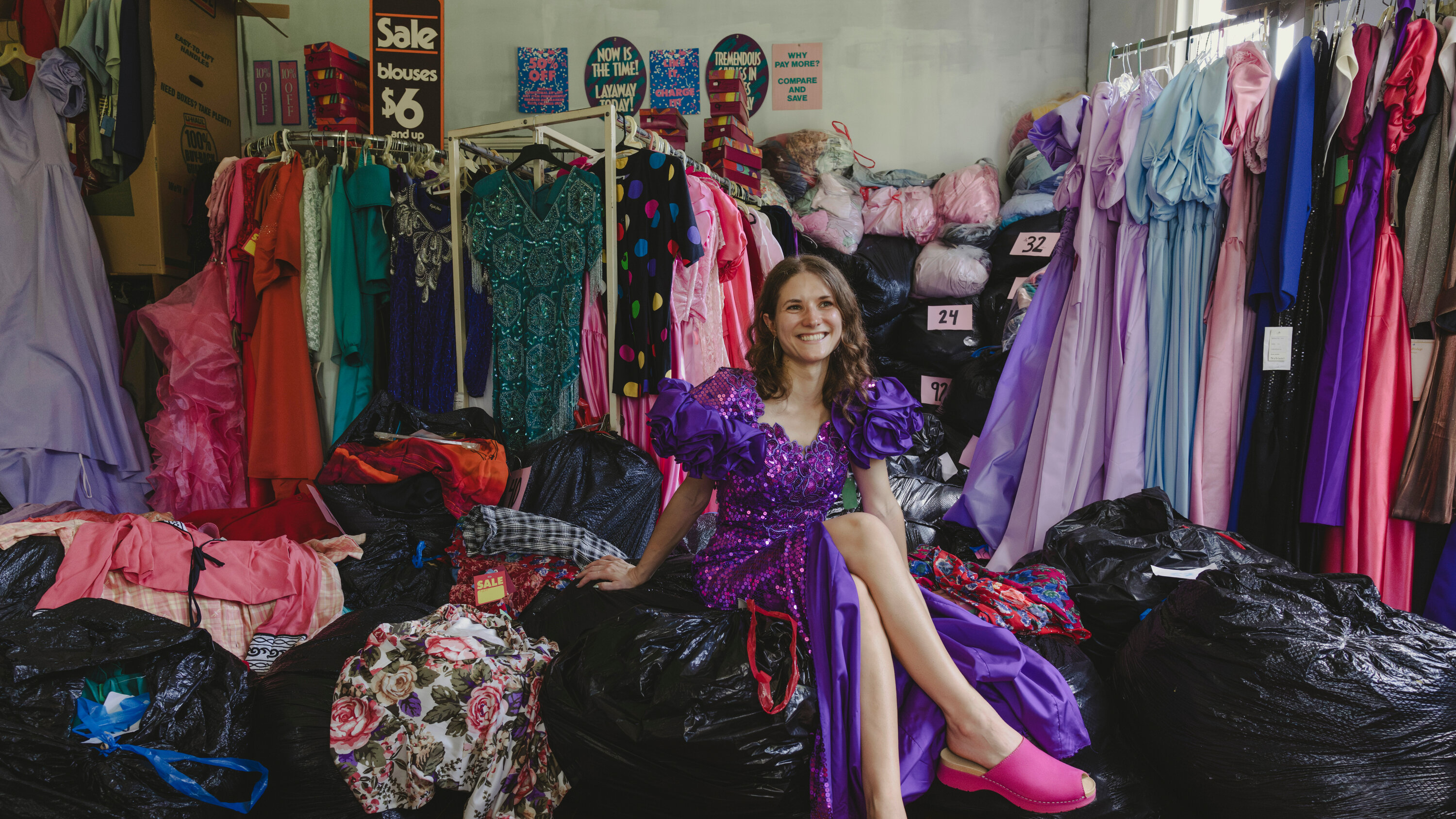
Beyond the names, check the material composition. Luxury houses rarely use synthetic blends for their main lines. Look for natural fibers like silk, wool, and cotton. If you find a tag that says "Made in France" or "Made in Italy" alongside a recognized designer name, the likelihood of it being a high-value piece increases significantly. Keep a mental list of these top-tier labels to spot them quickly as you scan through bins and racks.
| Brand | Thrift Avg | eBay Sold Avg |
|---|---|---|
| YSL Blazer | $10–$25 | $150–$400 |
| Dior Dress | $15–$30 | $200–$600 |
| Gucci Shirt | $8–$20 | $100–$300 |
Look for durable workwear and heritage brands
Vintage clothing brands worth money often share a common origin: they were built for hard labor, not just fashion. When you scan thrift store racks, prioritize items made from heavy wool, thick canvas, or full-grain leather. These materials age gracefully and retain value because they were engineered to last decades, not seasons.
Start by checking the labels for established heritage names. Carhartt chore coats and utility wear remain staples in the vintage market due to their unmatched durability. Similarly, Dickies work pants and shirts from the 1970s through the 1990s are abundant and consistently sought after by collectors. Other reliable markers include Filson, Pendleton, LLBean, and Woolrich. If a garment is made in a country with strong labor standards and uses natural materials, it is more likely to hold its value over time.
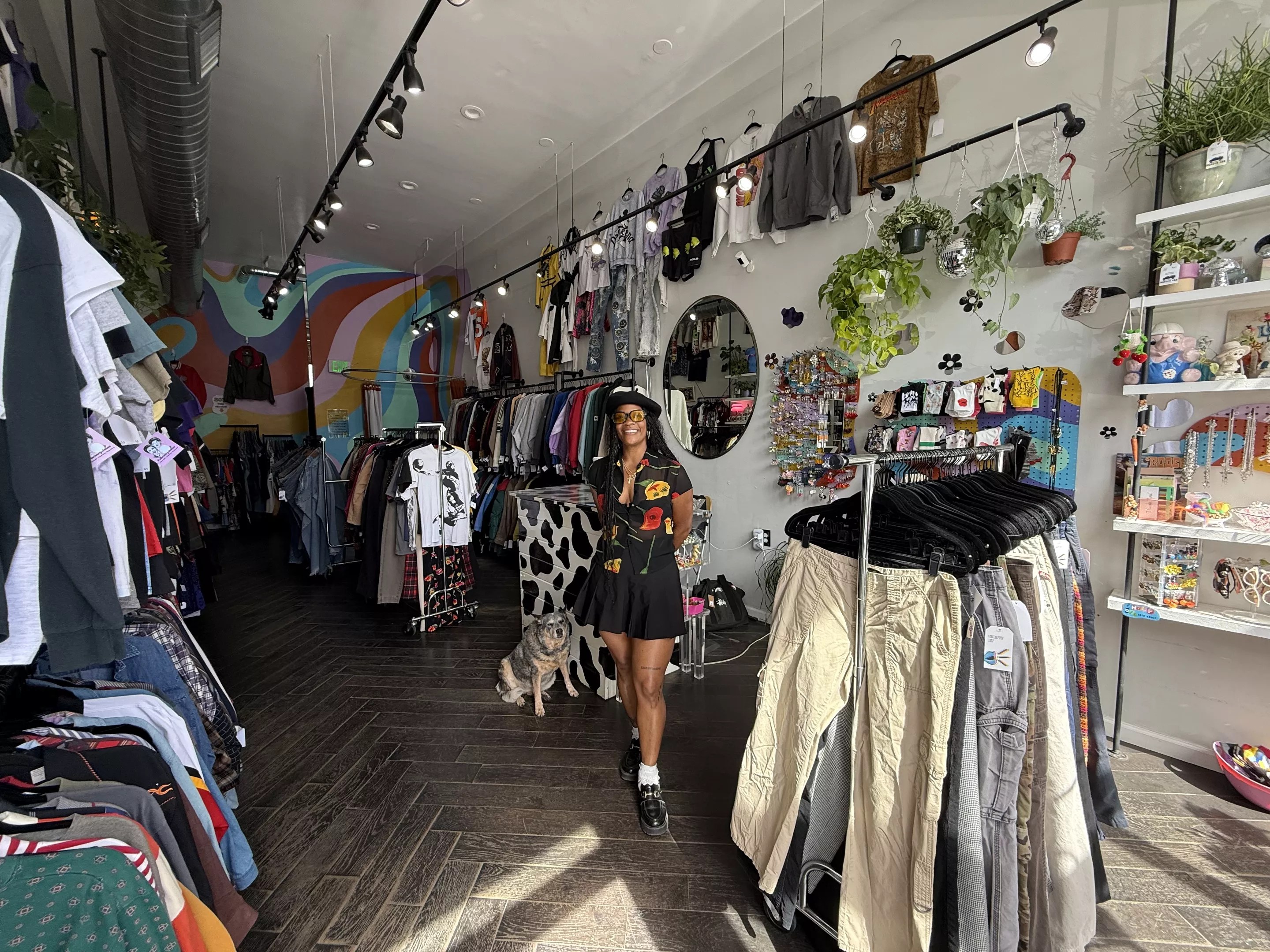
When evaluating these pieces, ignore minor cosmetic wear like small stains or loose threads. Instead, focus on structural integrity: are the stitching lines tight? Is the leather supple rather than cracked? A well-made workwear item from a heritage brand is like a reliable tool—it improves with use. If the core structure is sound, you are likely looking at a piece that will remain relevant and valuable for years to come.
Check materials and construction quality
Spotting high-value vintage comes down to the physical evidence. Fast fashion rarely survives decades of wear, but heritage brands were built to last. When you pull an item from the rack, ignore the logo for a moment and feel the fabric. Heavy wool, thick cotton, and full-grain leather signal a garment that was made to endure, not just to trend.
Inspect the stitching and seams
Turn the garment inside out. High-end vintage pieces feature tight, even stitching with no loose threads or puckering. Look for reinforced stress points like armholes and pockets. If the seams are unraveling or the fabric is thinning to transparency, the item’s value drops significantly regardless of the brand name. Brands like Filson and Pendleton are famous for their double-stitched seams, a clear marker of quality construction.
Evaluate the hardware and closures
Zippers, buttons, and snaps tell a lot about a piece’s age and origin. Metal zippers, especially those made by Talon or Ideal, are often more valuable than plastic ones. Check if the hardware feels solid and heavy, not lightweight and hollow. Brass buttons or engraved metal snaps are common in mid-century workwear and luxury fashion. If a zipper is stuck or broken, it’s a red flag that the item may have been poorly maintained.
Look for origin labels
Tags like "Made in USA" or "Made in Italy" often indicate higher quality standards, as these countries historically had stricter manufacturing regulations. However, this isn’t a hard rule; some modern fast fashion is made there, and some vintage luxury was made elsewhere. Use the origin label as one data point alongside material and construction checks. A Levi’s 501 made in the USA with a red tab is a classic example of a brand where origin and material align to create value.
Use this quick checklist
Before you buy, run through these physical checks to ensure the vintage clothing brands worth money are actually in good condition:
-
Fabric weight: Hold it up to the light; it shouldn’t be see-through.
-
Stitching: Look for tight, even seams with no loose threads.
-
Hardware: Zippers should glide smoothly; buttons should be secure.
-
Odor: Smell for smoke, mildew, or heavy perfume, which are hard to remove.
-
Tags: Check for "Made in USA/Italy" and original brand labels.
-
Damage: Inspect underarms and hems for stains or holes.
Verify condition and repair needs
A pristine Levi’s 501 or a rare Band T-shirt can lose half its resale value with a single flaw. You aren’t just buying a garment; you are buying a restoration project. Before you commit to any purchase, you must inspect the item under bright light to separate cosmetic wear from structural damage.
Start with the seams and stress points. Check the armpits of band tees for yellowing or thinning fabric, and inspect the crotch area of denim for 'whiskering' that has worn through. These areas are expensive to repair properly. If the stitching is unraveling, ask yourself if you have the skills to re-hem or re-stitch without altering the garment’s original character. A loose button is a five-minute fix; a split shoulder seam is a professional job that eats into your profit margin.
Next, look for stains that might never come out. Oil, rust, and set-in sweat marks are permanent value killers. If you spot a stain, check if it’s on a hidden panel like the inside waistband. If it’s visible, walk away unless the price is exceptionally low. For minor issues like missing buttons or small holes, factor in the cost of materials and your time. If the repair cost exceeds 20% of your projected resale price, the item is likely a bad flip.
How to List Vintage Clothing Brands Worth Money for Maximum Profit
Listing vintage clothing brands worth money requires a shift in mindset: you are not selling used clothes; you are selling collectible assets. The difference between a $5 listing and a $500 sale lies in how accurately you describe the item and how clearly you show its condition. Buyers searching for specific vintage labels need to trust that the item is authentic and exactly as pictured.
Start by photographing the item in natural, diffused light. Avoid flash, which can distort colors and hide fabric flaws. Lay the garment flat or use a mannequin to show the true silhouette. Include close-ups of the fabric texture, any unique patterns, and most importantly, the brand tags and care labels. These details are the primary evidence buyers use to verify the item's value.
Next, build your listing title and description around specific, searchable keywords. Generic terms like "vintage dress" are too broad. Instead, use the brand name, the specific style (e.g., "70s Boho Maxi"), and material details (e.g., "100% Silk"). This precision helps your item appear in targeted searches from serious collectors who know exactly what they want.
Finally, be brutally honest about condition. If there is a small stain, a loose button, or a minor tear, photograph it and describe it clearly. Transparency builds trust and reduces returns. Buyers of vintage clothing brands worth money are experienced; they appreciate accuracy over perfection. A well-documented listing with clear photos and precise keywords will consistently outperform vague, poorly lit alternatives.
Common questions about vintage flipping
Sourcing vintage clothing brands worth money requires knowing which labels command high resale values and how to verify their authenticity before committing to a purchase. While general advice suggests looking for "old" clothes, the most profitable flips focus on specific designer eras and durable workwear staples.
Which vintage brands sell best on eBay?
Designer labels from the 1970s through the 1990s consistently dominate resale markets. Yves Saint Laurent (YSL) blazers, silk blouses, and accessories from the Rive Gauche line remain highly collectible. Luxury houses like Christian Dior, Gucci, Balenciaga, and Versace also retain strong value, particularly items from the 90s. For workwear enthusiasts, Carhartt chore coats and Dickies shirts are reliable sellers due to their durability and timeless aesthetic.
How do I authenticate vintage designer items?
Authentication starts with the tags and construction. High-end brands like YSL or Dior used specific font styles and material quality in their labels that are difficult to replicate. Check for "Made in France" or "Made in Italy" tags on pieces from these eras. Examine the stitching density and lining materials; authentic vintage pieces often feature hand-finished details or heavier fabrics compared to modern reproductions. If a "designer" item feels lightweight or has loose threads, it is likely a counterfeit.
What materials increase a vintage garment's value?
Natural fibers are the primary driver of value. Look for 100% silk, wool, cashmere, and heavy cotton. Vintage leather, especially from brands like Filson or Pendleton, holds its value well because it ages gracefully. Synthetic blends like polyester or nylon are generally less desirable unless they are iconic pieces from specific subcultures or eras where synthetic fabrics were the norm, such as 1980s power suits.
How do I price vintage clothing for resale?
Research completed listings on eBay, Poshmark, and Depop for the exact brand, size, and condition. Factor in shipping costs and platform fees when setting your price. Items in "deadstock" (never worn) condition can often be listed at a premium. For common workwear brands, pricing should be competitive, while rare designer pieces allow for higher margins. Always disclose any flaws, such as stains or missing buttons, to avoid returns.
Step-by-Step Guide to Sourcing High-Value Vintage
Start by memorizing the logos and tag styles of high-value brands like YSL, Dior, and Carhartt. Familiarize yourself with the specific fonts, materials, and "Made in" tags that indicate authenticity for these labels.
When you find a potential item, check the tag immediately. Verify the brand name, then flip the garment to check the care label for material composition (silk, wool, cotton) and country of origin. Avoid synthetic blends unless they are iconic era-specific pieces.
Turn the item inside out to inspect stitching quality. Look for reinforced seams, metal zippers, and solid hardware. Check for structural damage like thinning fabric at stress points or permanent stains. Only buy if the core structure is sound and repair costs are minimal.
No comments yet. Be the first to share your thoughts!