Thrift store flipping profit budget
You do not need a large bankroll to start flipping clothes. The most effective strategy relies on volume and speed rather than high-ticket investments. Many successful flippers build a steady income by sourcing items under $5 and reselling them for $15 to $30. This low-entry model reduces risk and allows you to test market demand without tying up capital in unsold inventory.
A realistic monthly budget for a beginner should cover three main areas: initial inventory, shipping supplies, and platform fees. Start with $50 to $100 for stock. This amount allows you to buy 10 to 20 items depending on the thrift store's pricing tiers. Use this capital to rotate through fast-selling categories like vintage band tees, Levi’s denim, or branded outerwear. Avoid spending more than 10% of your total budget on a single item unless it is a verified high-value collectible.
| Budget Category | Estimated Cost | Notes |
|---|---|---|
| Initial Inventory | $50–$100 | Focus on high-turnover items under $5 each. |
| Shipping Supplies | $20–$30 | Poly mailers, boxes, and tape. |
| Cleaning/Repair | $10–$20 | Stain removers or minor fixes. |
| Platform Fees | 15–20% | Reserved from each sale's revenue. |
The key to profitability is keeping your cost-per-item low. If you buy a jacket for $3 and sell it for $25, your gross profit is $22. After platform fees and shipping, you still net a healthy margin. This approach scales better than hunting for rare, expensive pieces that may sit in storage for months. Treat your flipping budget like a revolving fund: reinvest your profits to buy more stock, allowing your inventory to grow organically without additional personal investment.


As an Amazon Associate, we may earn from qualifying purchases.
Shortlist real options
Thrift Flipping works best when the purchase path is explicit. Verify the source, compare the offer against real alternatives, check the total cost, and confirm what happens after payment before you decide. After each comparison, write down the one risk that would change your mind. If the seller, condition, support, warranty, shipping, or upkeep still feels uncertain, resolve that question before moving to checkout.
| Factor | What to check | Why it matters |
|---|---|---|
| Fit | Match the option to the primary use case. | A good deal still fails if it does not fit the job. |
| Condition | Verify age, wear, and service history. | Hidden condition issues erase upfront savings. |
| Cost | Compare purchase price with likely upkeep. | The cheapest option is not always the lowest-cost option. |
Inspect the expensive parts
Before you buy, check for the defects that kill resale value. A $5 dress with a broken zipper or a hidden stain is a $5 loss, not a $50 opportunity. Focus your eyes on the high-risk areas where repairs cost more than the profit margin.
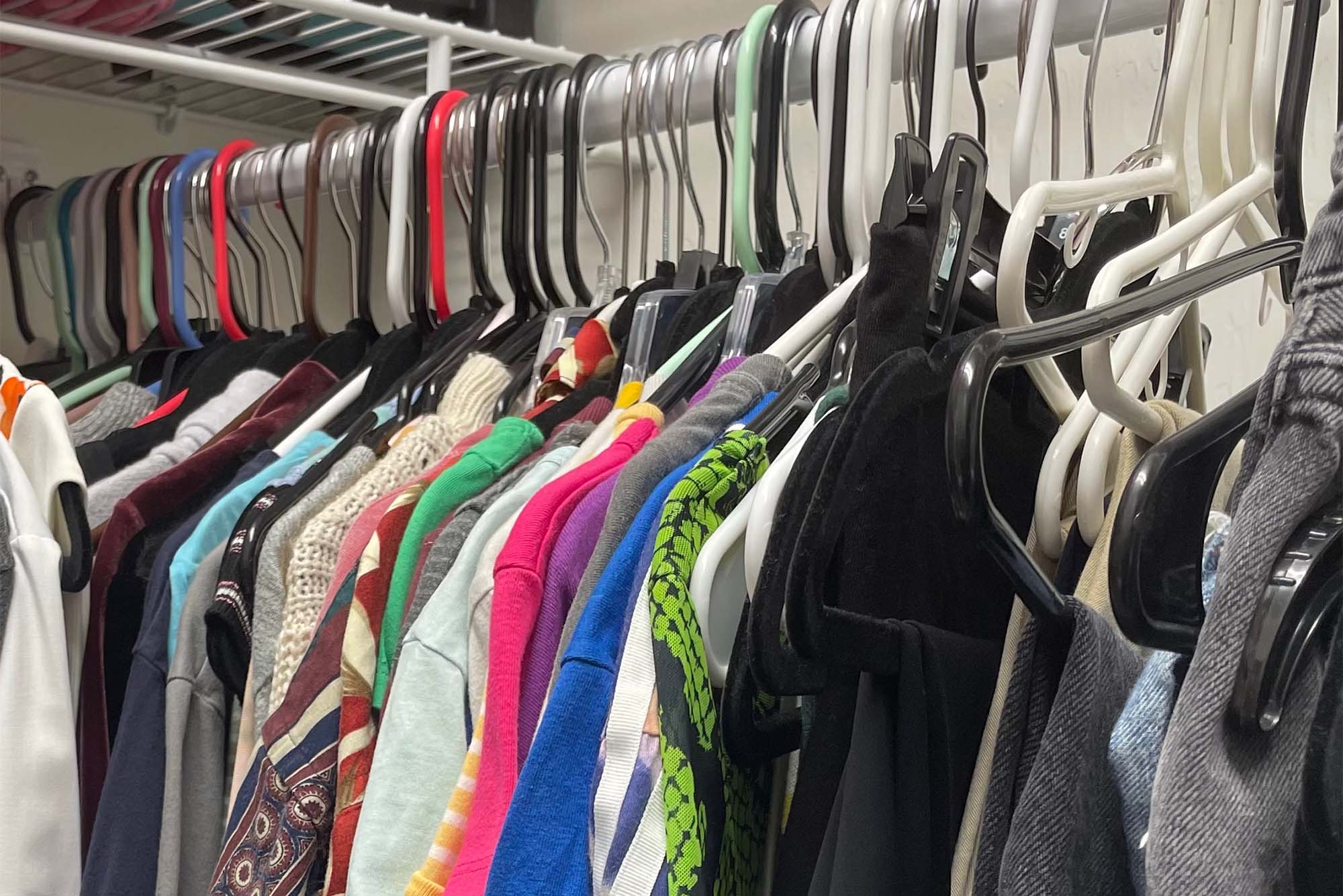
Pull the fabric gently at the shoulders, underarms, and crotch. Loose threads are easy to fix, but stretched-out knits or thinning fabric mean the item is near the end of its life. If the fabric feels papery, walk away.
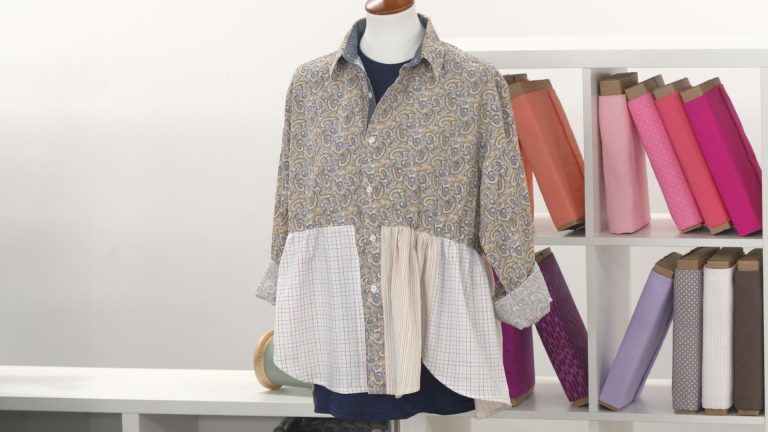
Test every zipper to ensure it doesn’t catch or jam. Replaceable buttons are cheap; missing original buttons on vintage pieces can hurt authenticity and value. Check that the zipper tape isn’t frayed.
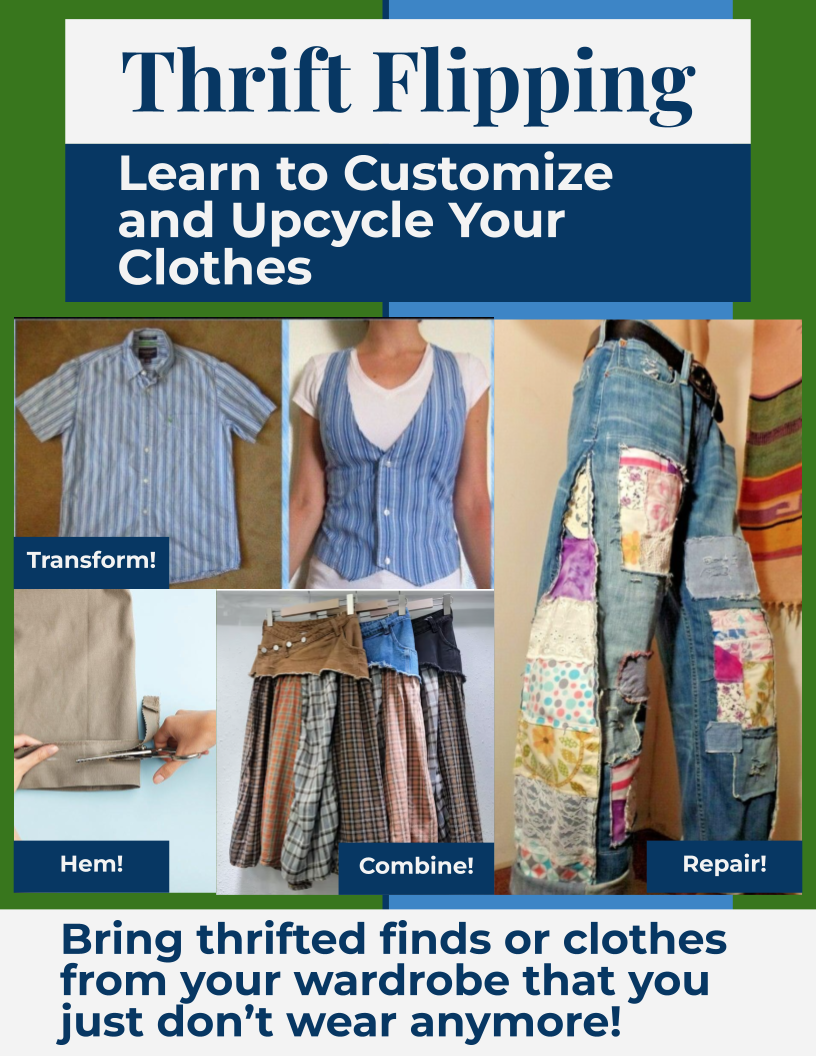
Hold the garment up to bright light to spot yellowing underarms or invisible stains. Smell the inside lining for mildew or smoke. Some odors are permanent, and stain removal can be expensive and risky.
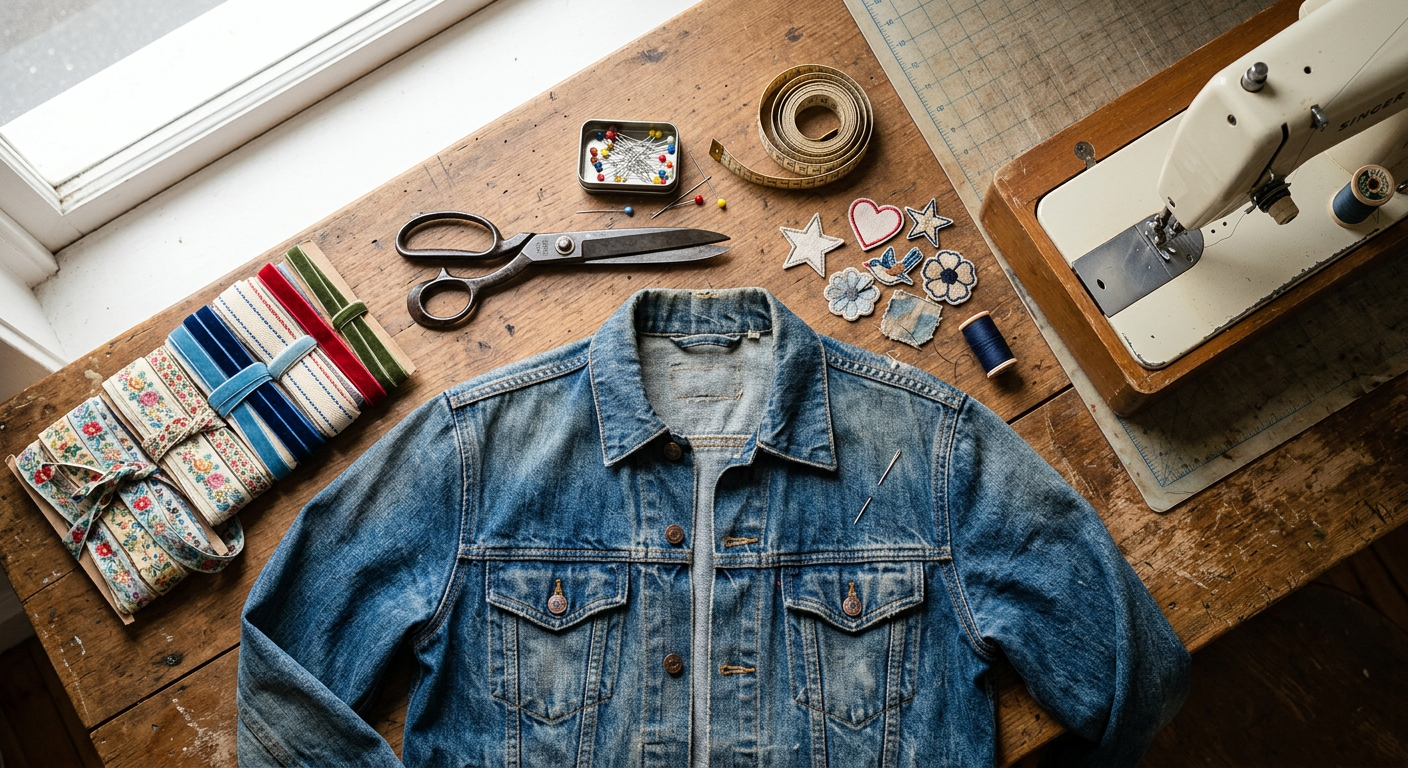
Natural fibers like wool, silk, and cotton often hold value better than synthetics. Check the care label for dry-clean-only instructions, which add ongoing costs for the buyer and lower your asking price.


As an Amazon Associate, we may earn from qualifying purchases.
A quick inspection saves you from buying inventory that sits unsold. Treat every thrift store trip like a procurement audit: if the repair cost exceeds the potential profit, put it back.
Ownership costs: when a cheap buy stops being cheap
A $5 thrift store find can easily cost $20 to resell if you ignore the hidden expenses of ownership. Before you list an item, factor in the full chain of costs: cleaning supplies, shipping materials, platform fees, and the time spent photographing and listing. If you don't track these, you're not running a business; you're just donating your time to the platform.
The most common surprise is the cost of restoration. Vintage denim often requires professional washing or spot treatment to remove odors and stains. If you buy a leather jacket, it may need conditioning or minor repair. These aren't optional extras; they are prerequisites for selling at a premium price. A stained item that sits unsold for months costs you storage space and opportunity.
Shipping is another silent profit killer. Thick winter coats, boots, and layered outfits incur higher dimensional weight charges. A $30 profit margin can vanish if you overpay for packaging or choose a slow shipping method that delays buyer satisfaction. Always calculate the exact weight and box size before you buy. If the math doesn't work after fees and shipping, walk away.
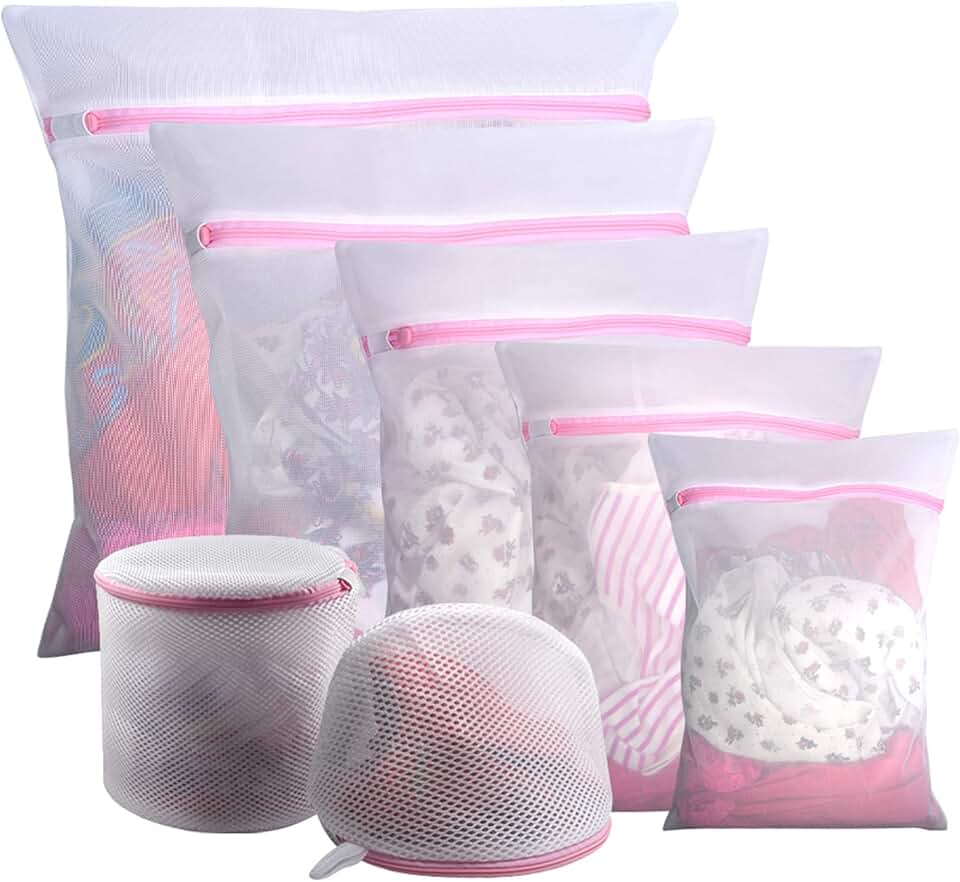

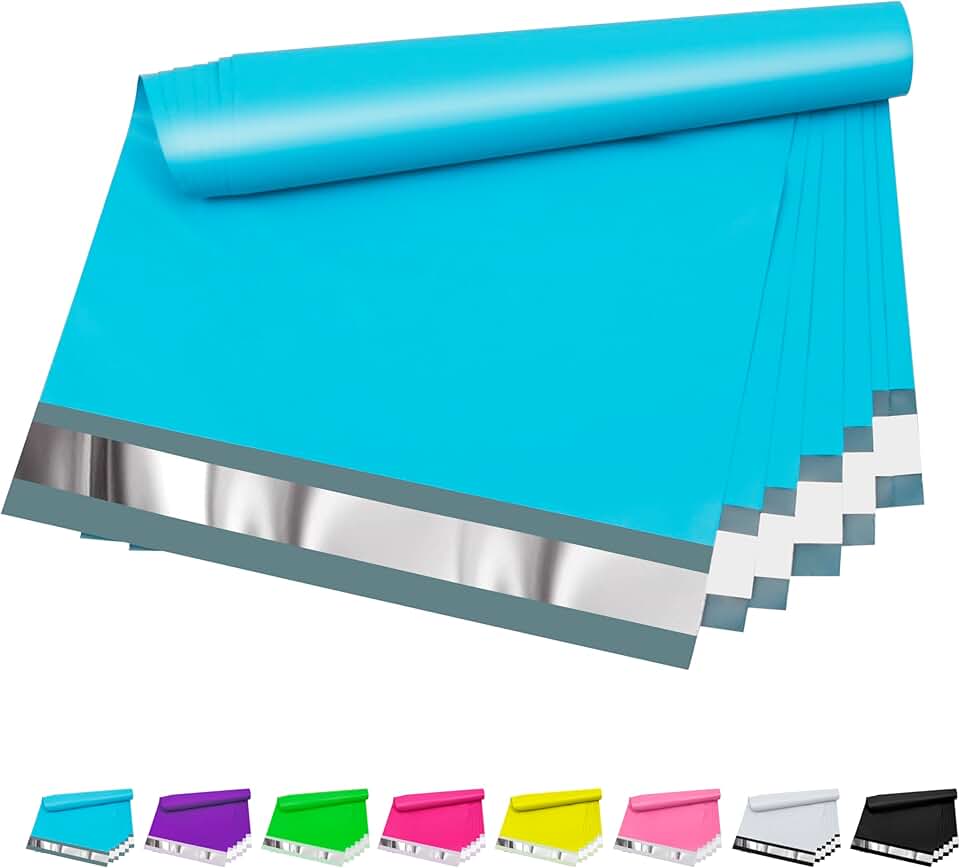
As an Amazon Associate, we may earn from qualifying purchases.
Thrift store flipping for profit: what to check next
Before committing time to sourcing and listing, it helps to understand the realistic financial and legal landscape of flipping vintage clothing.
Is thrift store flipping worth it? Yes, if you treat it as a side hustle rather than a get-rich-quick scheme. The model relies on volume and speed. You are buying low and selling high, but the margins are thin on individual items. Success depends on your ability to source quickly and list efficiently across multiple platforms like eBay, Poshmark, or Depop. It is profitable for those willing to put in the labor of cleaning, photographing, and shipping.
How much can you make thrift flipping? Earnings vary widely based on your expertise and inventory size. Beginners might net a few hundred dollars a month, while experienced flippers can make $2,000 to $3,000 monthly by building a consistent inventory pipeline. The key is reinvesting early profits to buy higher-quality stock that commands better resale prices. Do not expect immediate full-time income; it takes time to learn brand recognition and market demand.
What is the most profitable item to flip? Vintage designer labels and specific workwear brands like Carhartt or Dickies often yield the highest returns. Items like Levi’s 501 jeans, Patagonia fleece jackets, and vintage band tees are consistently in demand. Furniture and home decor can also be lucrative but require more storage space and shipping effort. Focus on brands you know well to avoid overpaying for items that do not sell.
Is thrift store flipping legal? Yes, buying items from thrift stores to resell them is legal. Thrift stores sell items as-is, and once purchased, you own the right to resell them. However, you must comply with tax laws. In the United States, the IRS considers this income, so you must report profits on your tax return. Keep records of your purchases and sales to calculate your actual profit after expenses like shipping and platform fees. Avoid reselling counterfeit goods, which is illegal regardless of where you sourced them.
No comments yet. Be the first to share your thoughts!