Get thrift store flipping profit right
Before you start listing, you need a clear system. Thrift store flipping isn't about buying everything that looks nice; it's about buying items with a confirmed price difference between what you paid and what the market pays. Without this margin, shipping costs and platform fees will eat your earnings.
Start by setting a strict acquisition budget. Most successful flippers cap their initial spend at $50–$100 per trip. This limits risk while you learn which categories move fastest. Keep a small notebook or phone note to track what you bought and how much you paid for each item.
Next, check the sold listings. Don't look at current asking prices, which are often inflated. Look at what items actually sold for in the last 30 days. If a jacket cost you $5 but only sold for $15 after fees and shipping, the profit is too thin. Aim for at least a 3x markup to cover your time and costs.
Finally, verify condition before you buy. Check for stains, missing buttons, or broken zippers. These flaws drastically reduce resale value and often lead to returns. A quick inspection prevents you from bringing home dead weight that ties up your capital.
Work through the steps
Thrift store flipping isn't about finding hidden gems in a single trip; it's a repeatable supply chain. The gap between what a store charges and what a buyer pays online is your margin. You make that margin by spotting value others miss and presenting it correctly.
Here is the workflow to turn a Saturday morning browse into monthly income.
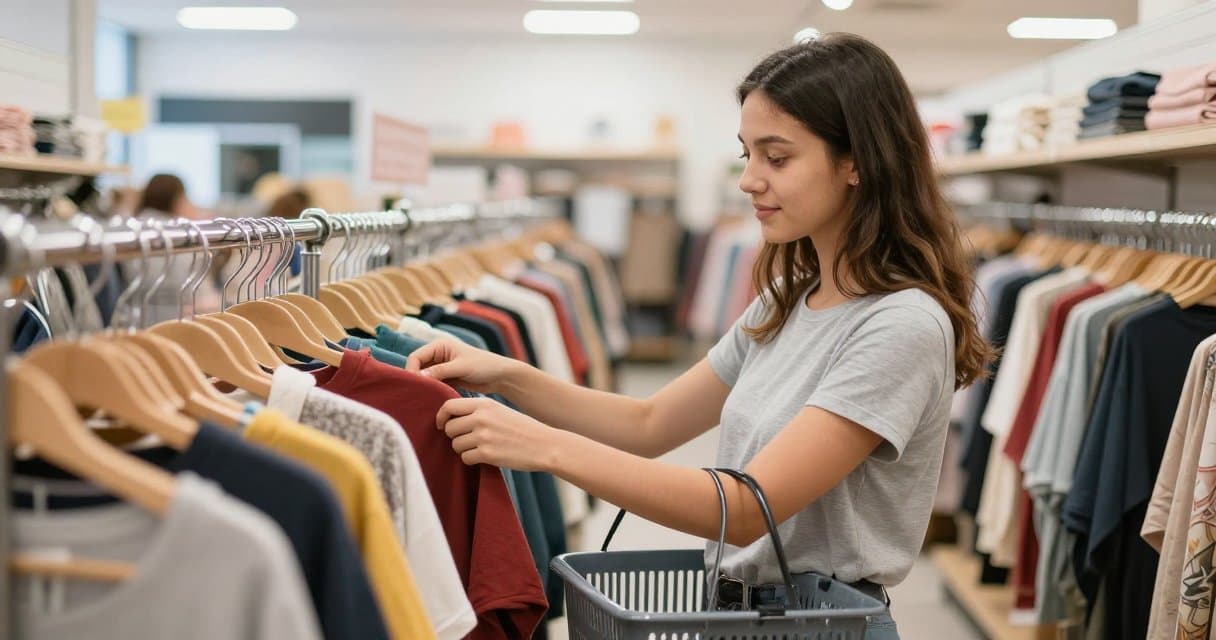
Most beginners buy what they like. You need to buy what sells. Before you enter the store, pick three categories to focus on, such as vintage outerwear, specific designer handbags, or technical workwear. Walk the aisles looking only for those tags. If you see a high-value item outside your filter, leave it. Staying focused prevents impulse buys that sit in your garage for months.
Thrift items are often "as-is." Inspect every seam, button, and zipper. Look for stains, thinning fabric, or broken zippers that cost more to fix than the item is worth. For branded goods, check the stitching quality and logo placement. Authenticity matters most for luxury items, but even mid-range brands like Patagonia or Lululemon hold value only if they are clean and intact. If you aren't sure, check the brand's official site for comparison photos.

Never buy without checking the sold history on eBay, Poshmark, or Depop. Open the app, search for the exact item, and filter results by "Sold" or "Completed." This shows you the actual price buyers paid, not just what sellers are asking. If the item sells for $30 and the store is asking $10, you have a $20 margin minus fees. If the sold price is close to the store price, skip it. You need at least a 3x markup to cover shipping and platform fees.

Once you've verified the profit margin, buy it. Don't put it back to "think about it"—another shopper will grab it. Bag the item in a plastic shopping bag to keep it separate from the dirty clothes in your cart. This also signals to other shoppers that you are serious and might discourage them from touching your finds. Keep your receipts or note the price tag for your records.
Your photos are your salesperson. Clean the item thoroughly before photographing. Use natural daylight near a window, not yellow indoor bulbs. Photograph the front, back, sides, tags, and any flaws. Flaws are non-negotiable; hiding them leads to returns and bad reviews. A flat lay on a white sheet or a clean floor works best. Clear, bright photos increase your chances of a sale by 50% or more.

When you list the item, title it with the most searchable terms first. Instead of "Vintage Jacket," use "Vintage Levi's Trucker Jacket Denim Blue." Include the brand, material, color, size, and style. Write a description that mentions the condition, measurements (pit-to-pit, length), and any unique features. Good keywords help your listing appear in search results when buyers look for specific styles.
Speed builds trust. List items with "Ships within 1 day" to boost your search ranking. Use sturdy boxes or padded mailers. Include a thank-you note or a small sticker to encourage positive reviews. Positive reviews lead to higher visibility and more sales. Track every package and update the buyer immediately if there are delays.


As an Amazon Associate, we may earn from qualifying purchases.
The difference between a hobby and a business is consistency. You won't make $3,000 in your first month, but if you follow this process for six months, you will build a reliable income stream. Start small, learn from your mistakes, and scale up.
Fix common mistakes in thrift store flipping
Even experienced flippers lose money by ignoring small details. The gap between a $5 purchase and a $50 sale often comes down to how you handle the item before listing it. These are the errors that drain your profit margin.
Listing with poor lighting or angles
Buyers cannot smell or feel the fabric through a screen. If your photos are dark, blurry, or taken in a cluttered room, buyers assume the item is damaged. This mistake kills visibility in search results. Take photos in natural daylight near a window. Use a plain background so the garment stands out. Include close-ups of unique details like buttons, zippers, or fabric texture. Clear images build trust and justify a higher price.
Overpricing based on "retail value"
Many new resellers look up the original store price and list the thrifted item for 50% of that. This is a trap. Thrift flipping relies on buying low, not selling high relative to retail. A $100 brand-name jacket found for $5 should sell for $30–$40, not $60. Check what similar items actually sold for on eBay or Poshmark in the last 90 days. Price based on current market demand, not the tag price from three years ago.
Ignoring hidden flaws
A tiny stain, a missing button, or a loose seam can turn a profitable flip into a return. Buyers are quick to leave negative reviews for unmentioned defects. Inspect every item thoroughly before buying. Check armpits, collars, and hems. If you miss something, the return shipping cost and restocking fees will eat your profit. Be transparent in the description. If there is a flaw, mention it and lower the price accordingly. Honesty reduces returns and builds your seller reputation.
Thrift store flipping for profit: what to check next
Before committing time to sourcing and listing, it helps to understand the realistic financial outcomes and item trends. The answers below address the most common objections readers have when considering thrift store flipping as a side hustle or full-time income.
No comments yet. Be the first to share your thoughts!